DCRaw
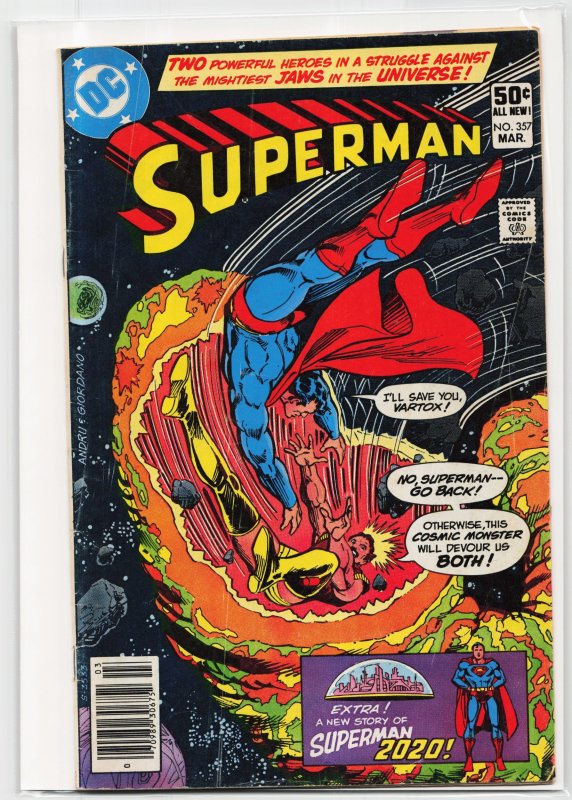
Superman
#357 · 1981
Not graded
Free insured shipping on US orders · Every book authenticity-guaranteed
Collection · 5,895 listings
Bronze Age comics from 1970 to 1985: Wolverine, the new X-Men, Punisher, Ghost Rider and the darker, socially aware books of the seventies.
Superman
#357 · 1981
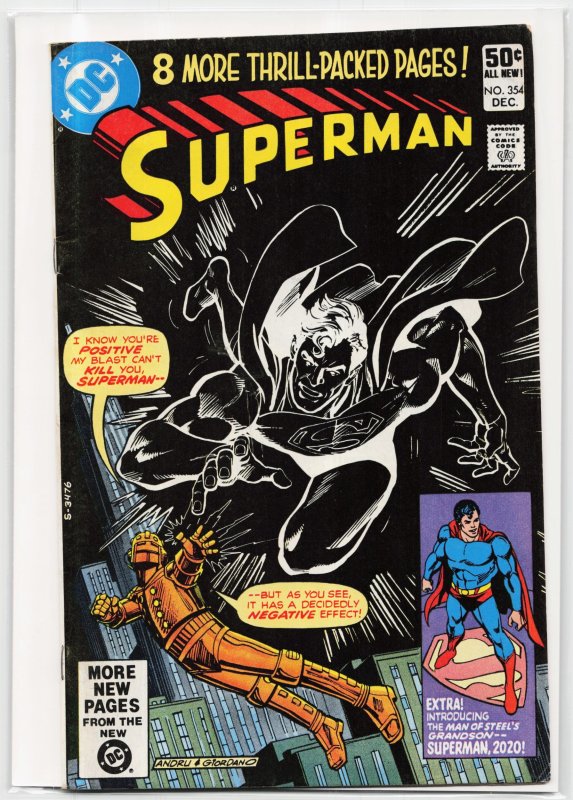
Superman
#354 · 1980
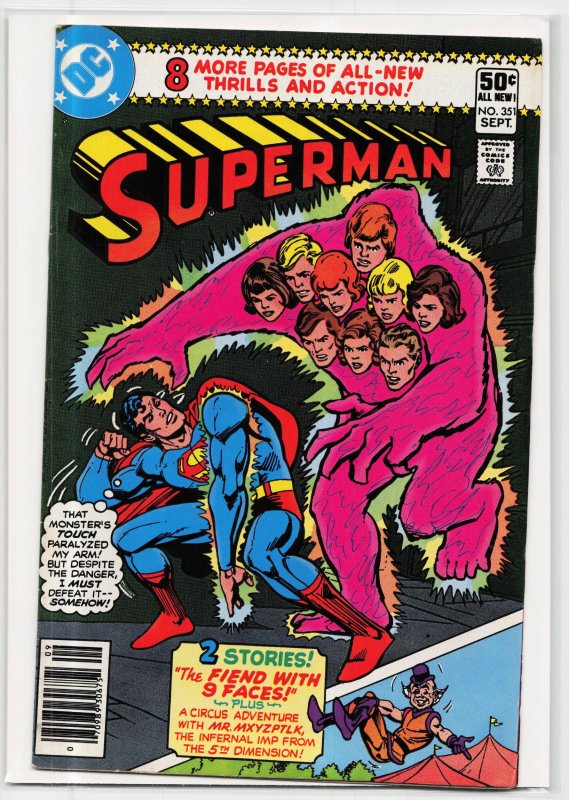
Superman
#351 · 1980
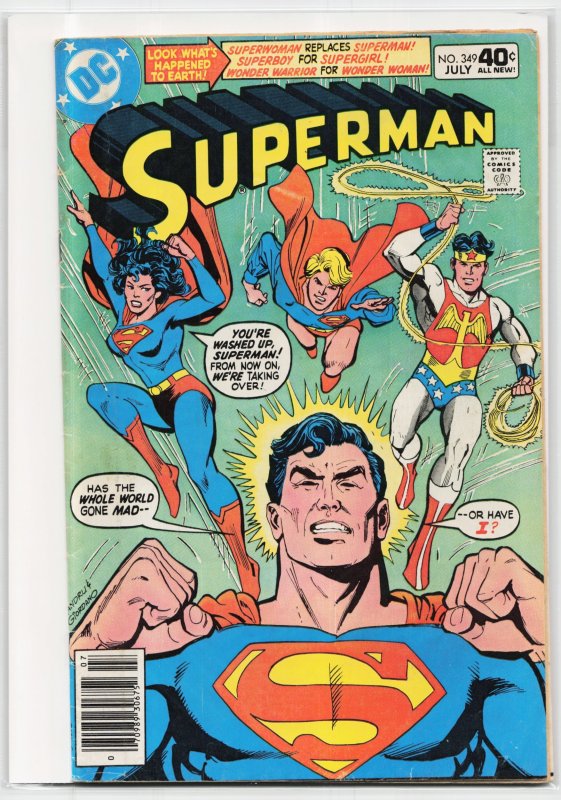
Superman
#349 · 1980
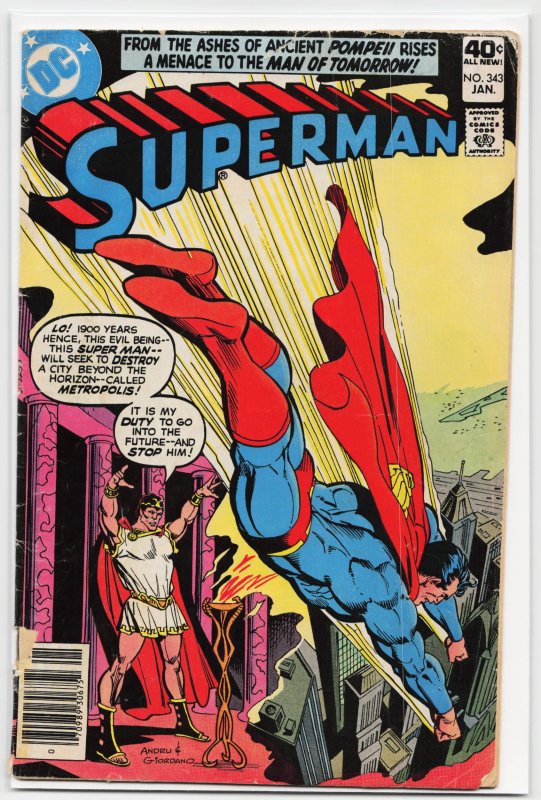
Superman
#343 · 1980
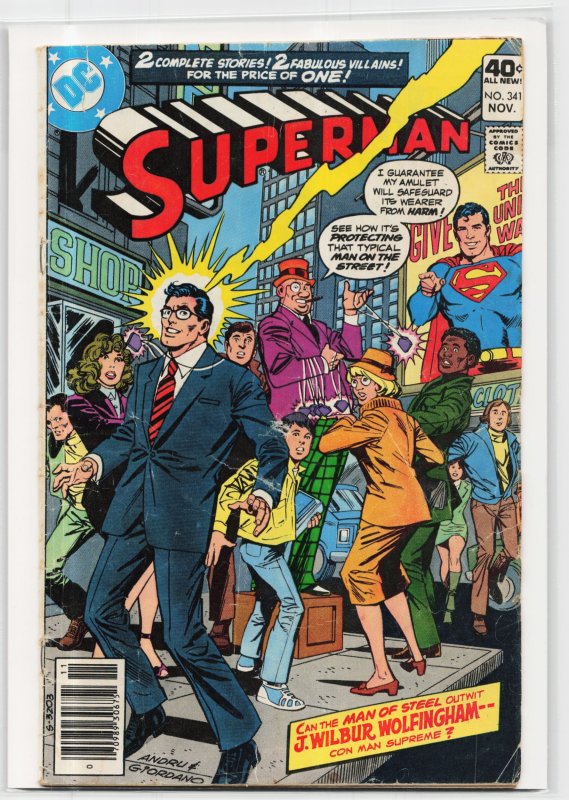
Superman
#341 · 1979
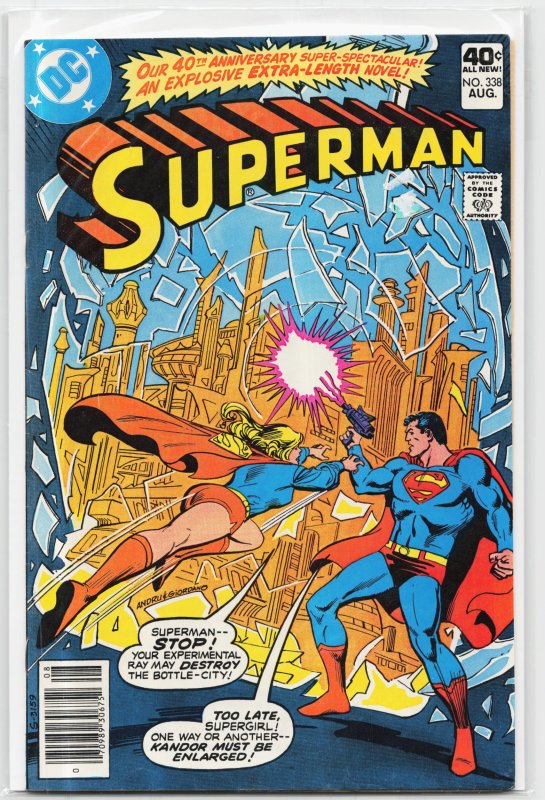
Superman
#338 · 1979
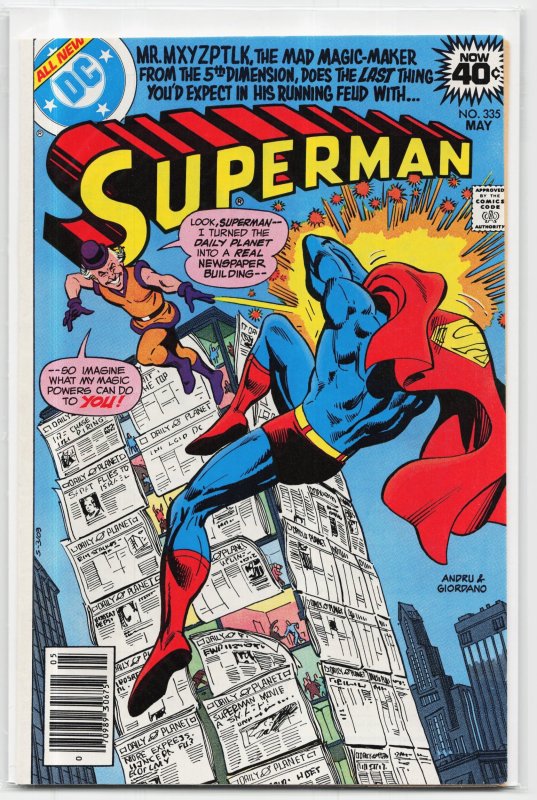
Superman
#335 · 1979
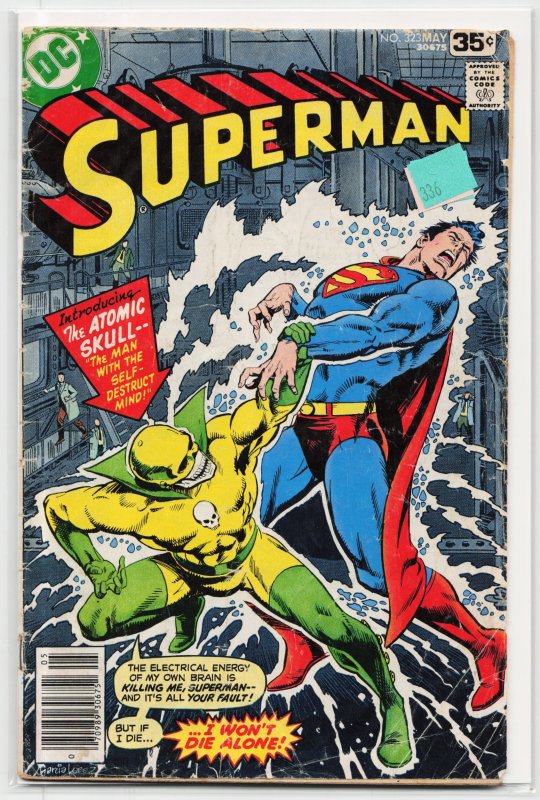
Superman
#323 · 1978
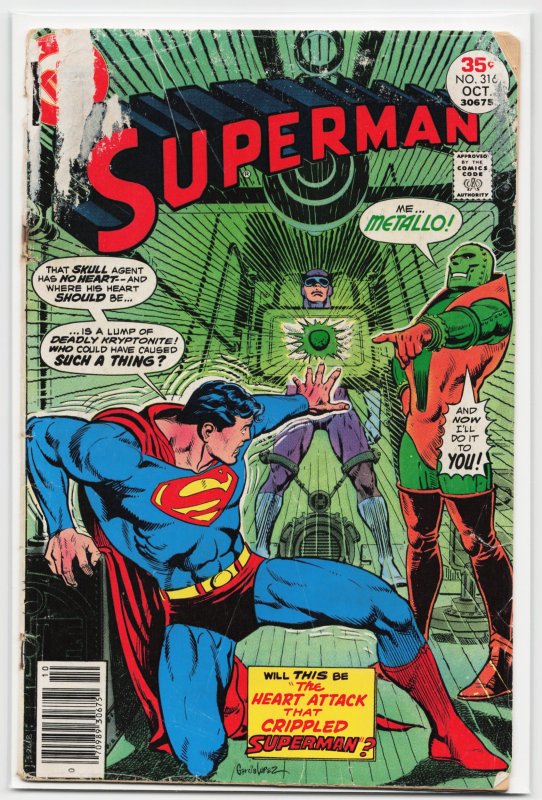
Superman
#316 · 1977
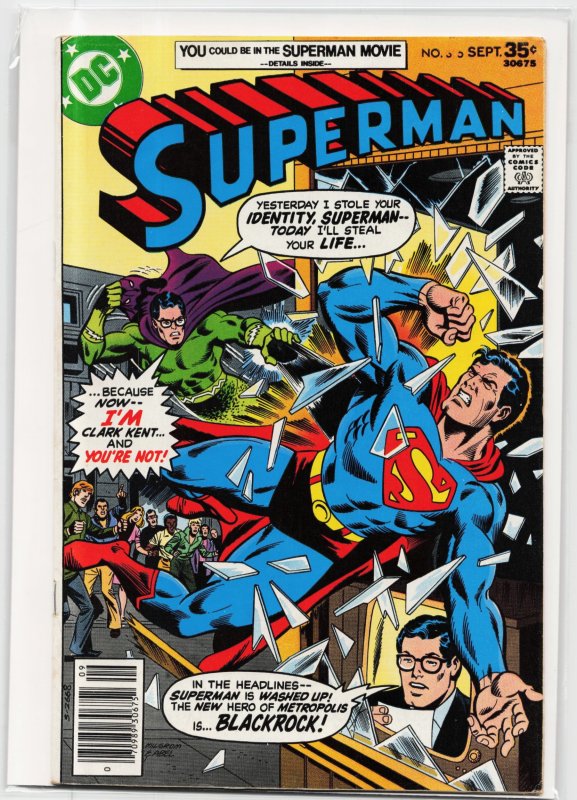
Superman
#315 · 1977
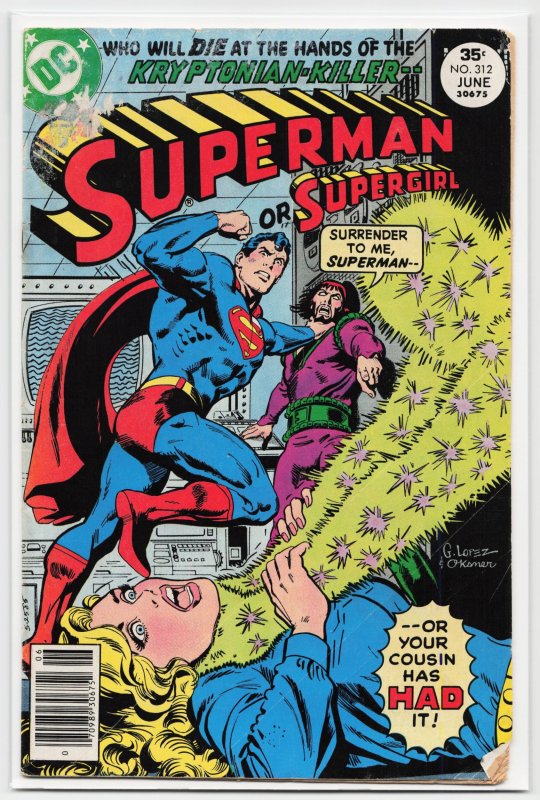
Superman
#312 · 1977
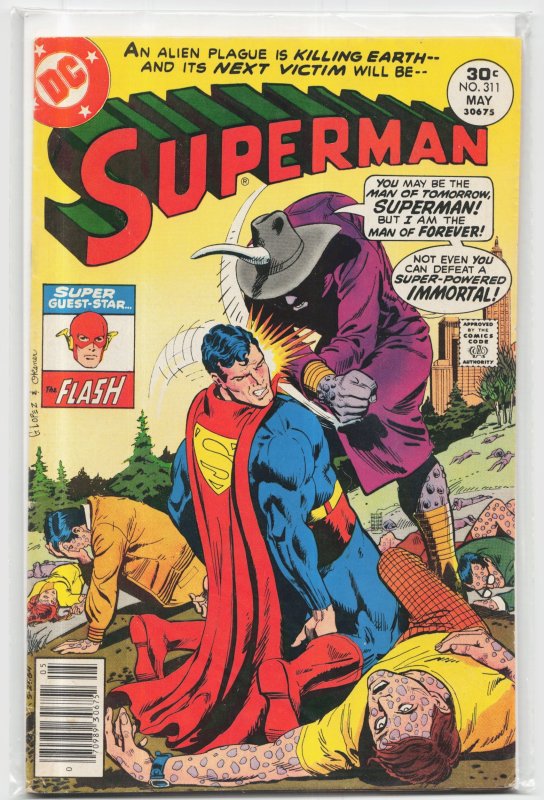
Superman
#311 · 1977
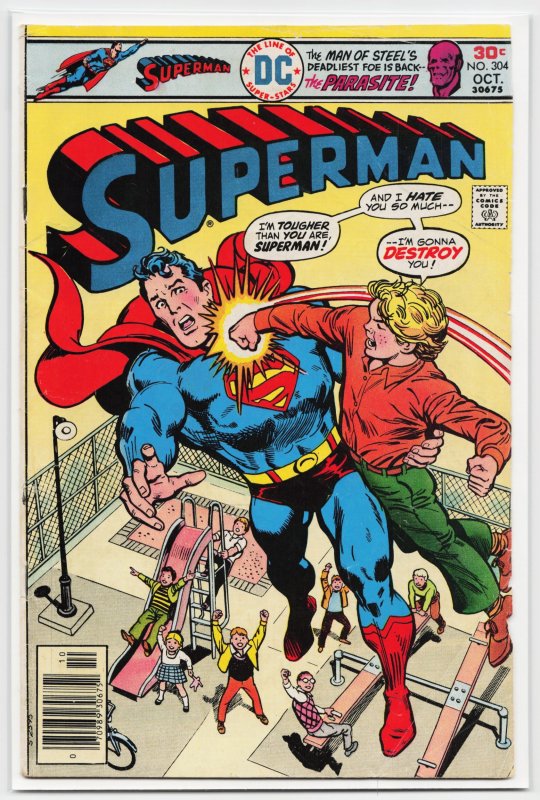
Superman
#304 · 1976
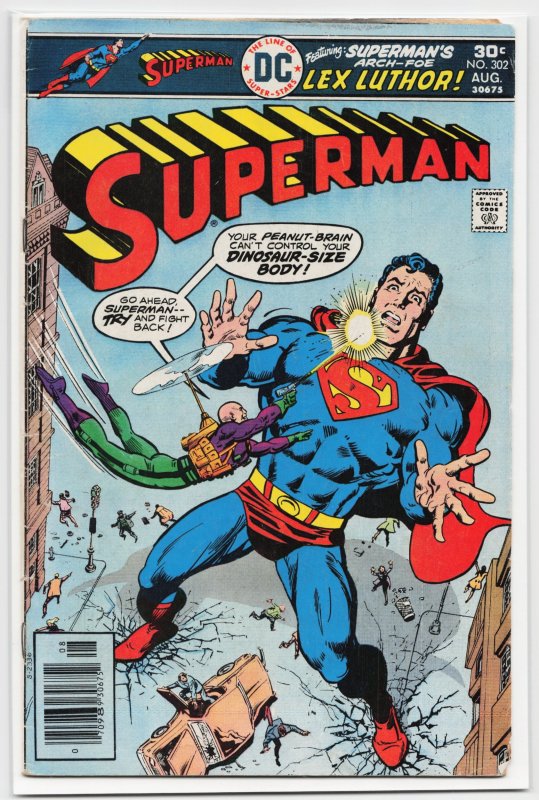
Superman
#302 · 1976
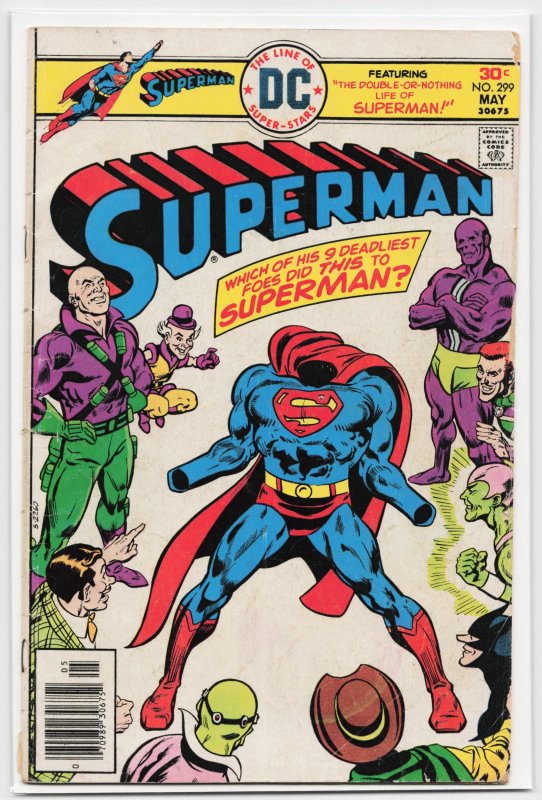
Superman
#299 · 1976
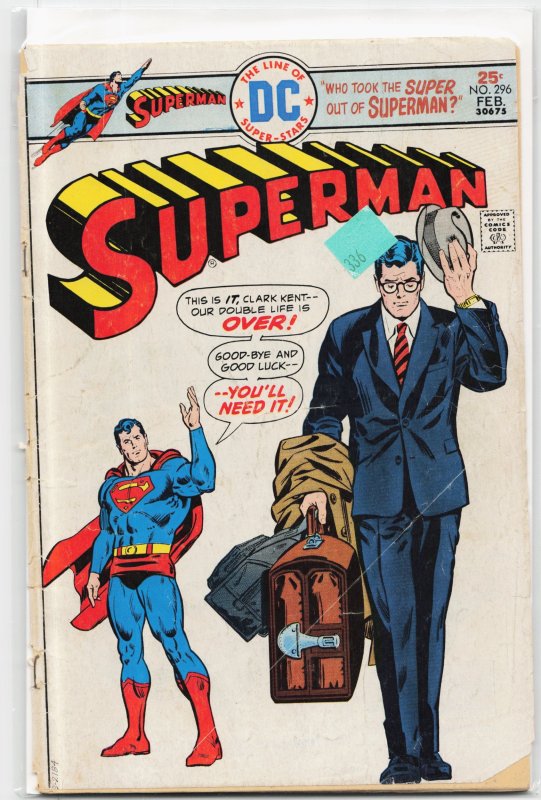
Superman
#296 · 1976
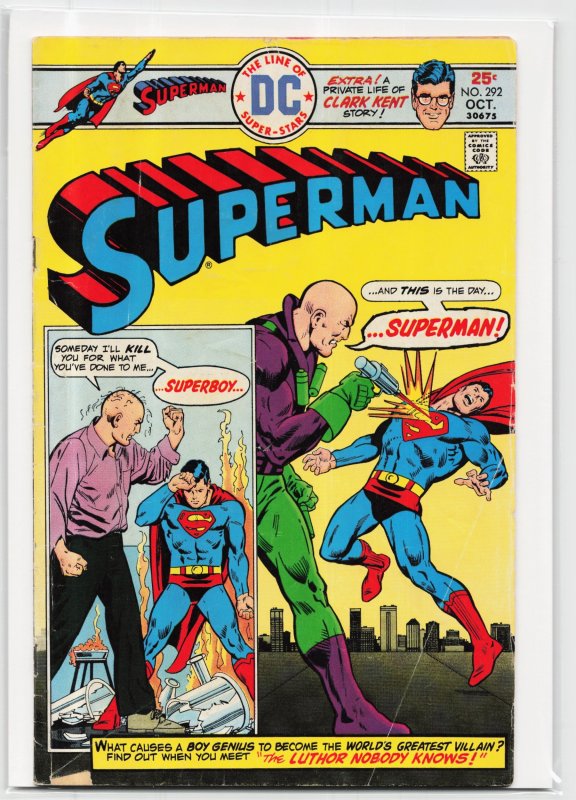
Superman
#292 · 1975
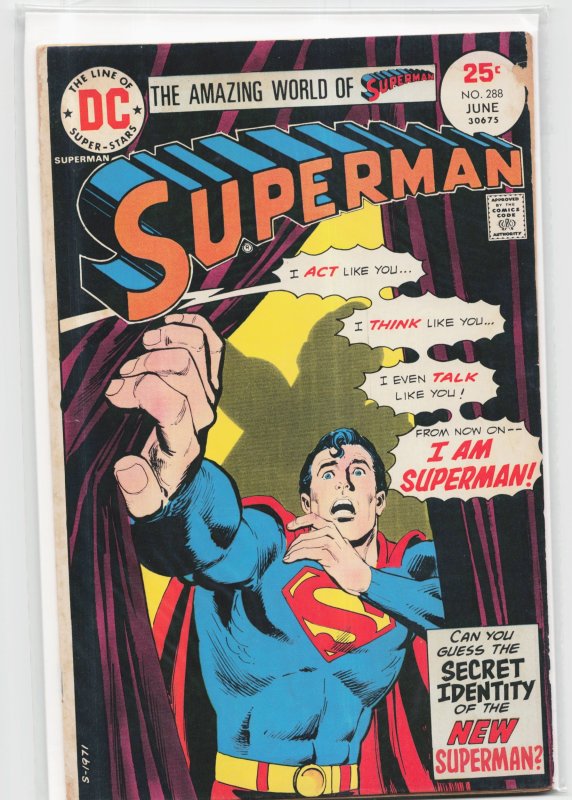
Superman
#288 · 1975
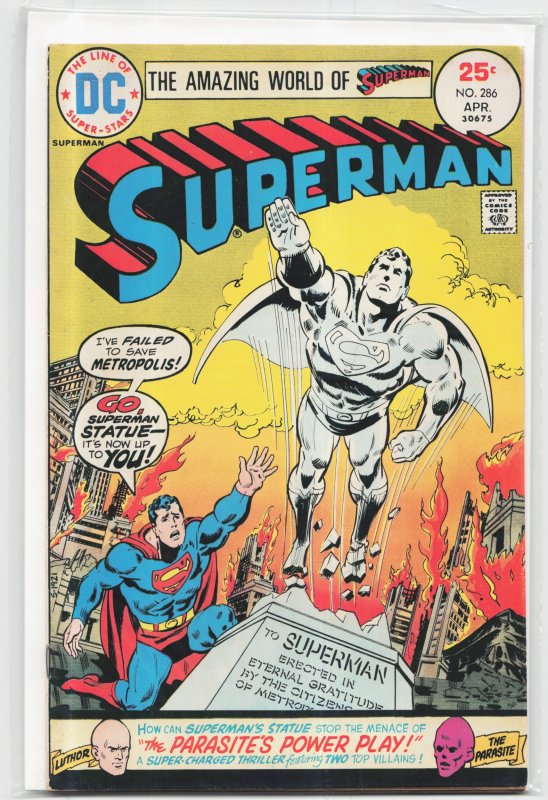
Superman
#286 · 1975
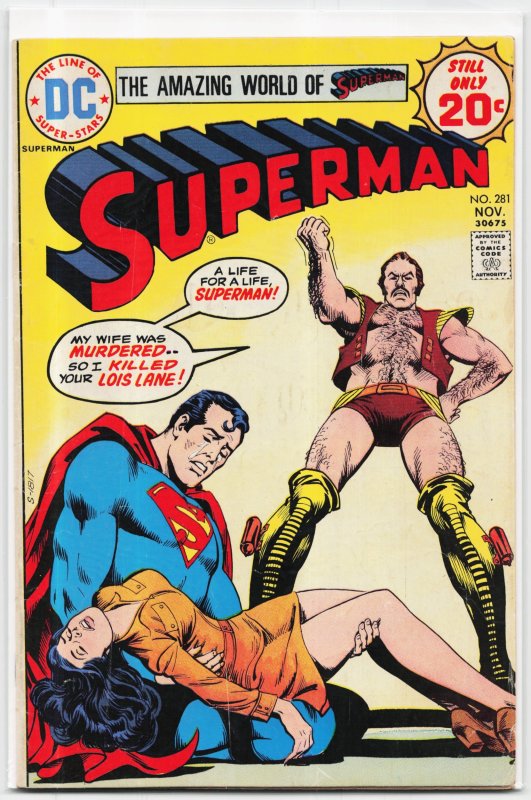
Superman
#281 · 1974
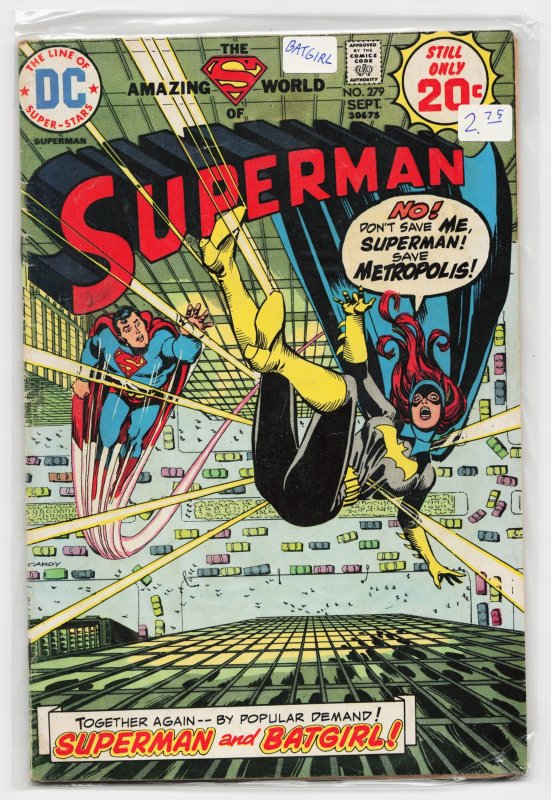
Superman
#279 · 1974
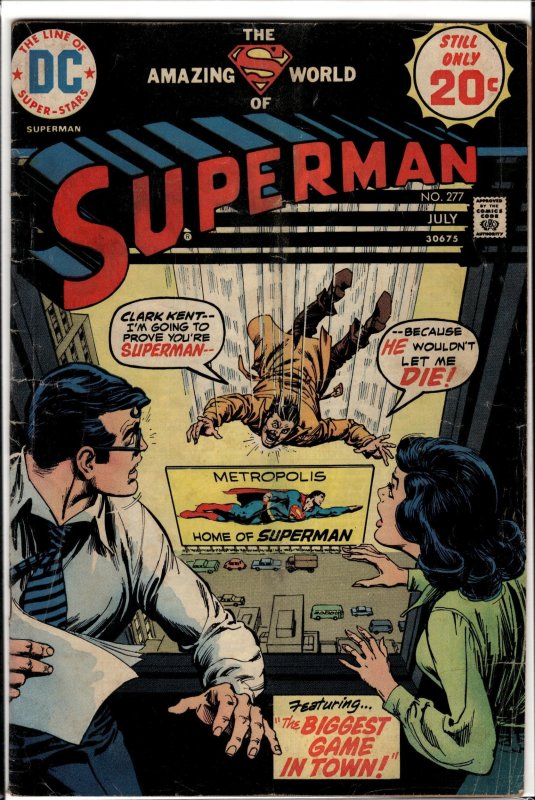
Superman
#277 · 1974
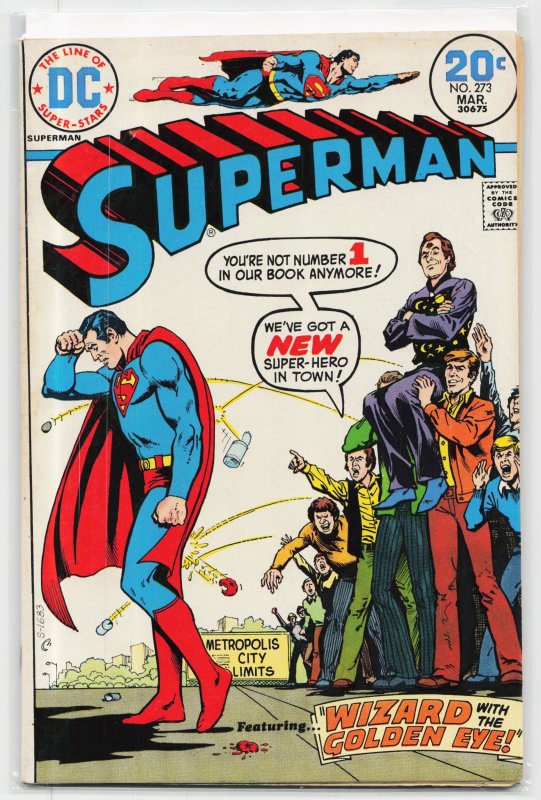
Superman
#273 · 1974
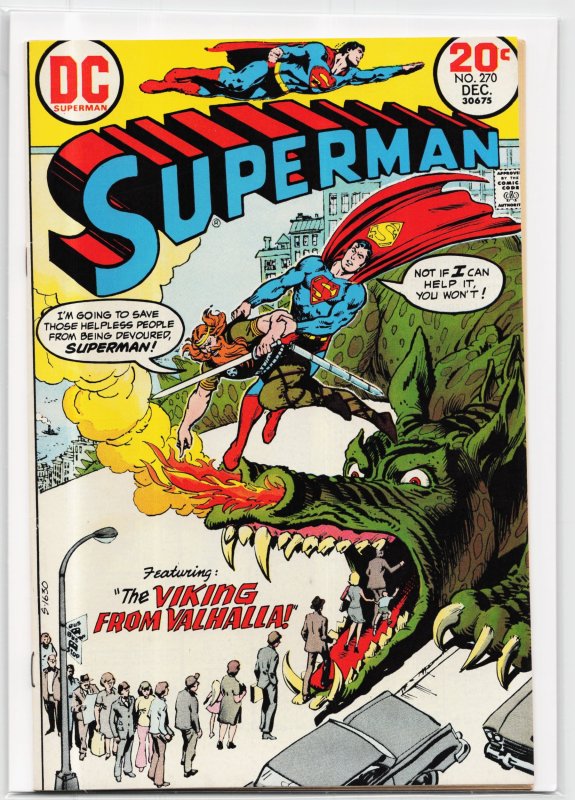
Superman
#270 · 1973
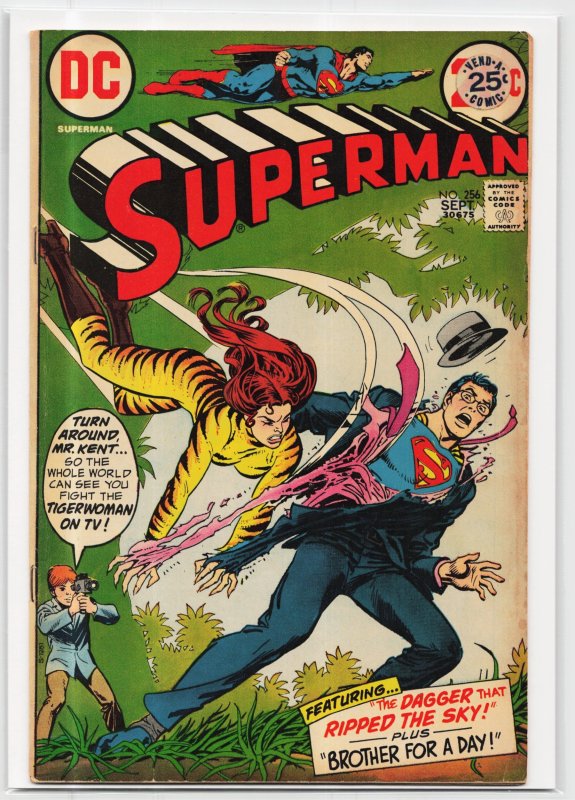
Superman
#256 · 1972
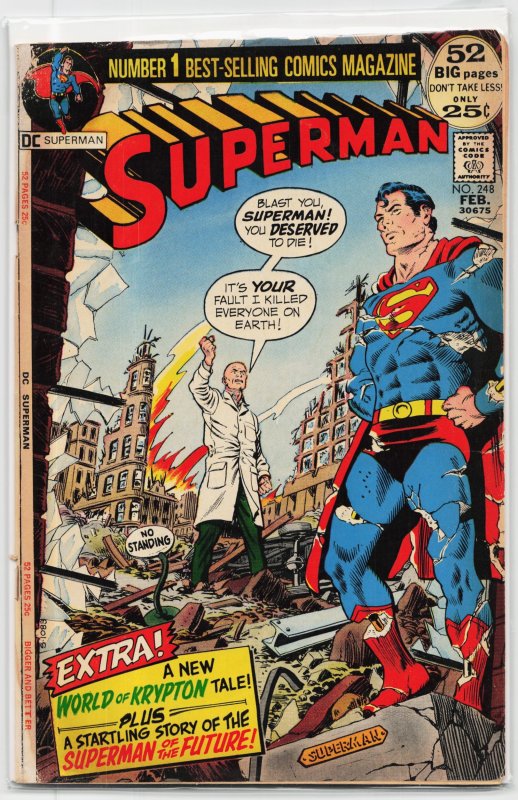
Superman
#248 · 1972
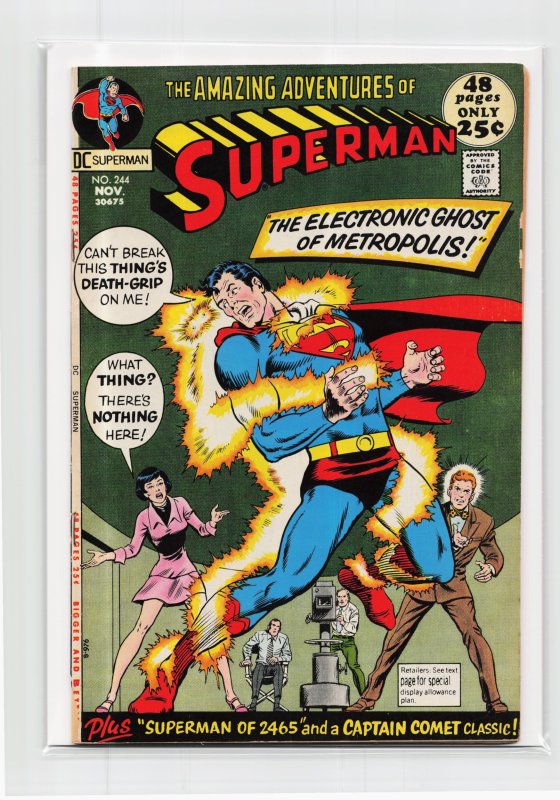
Superman
#244 · 1971
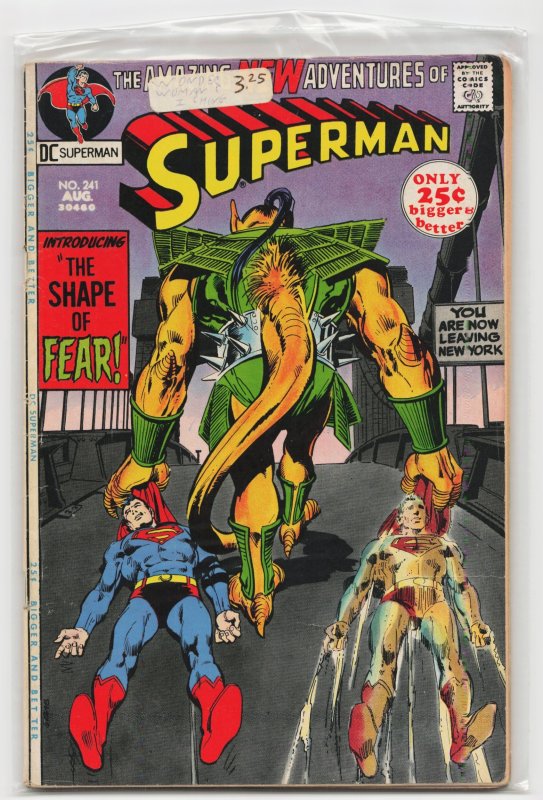
Superman
#241 · 1971
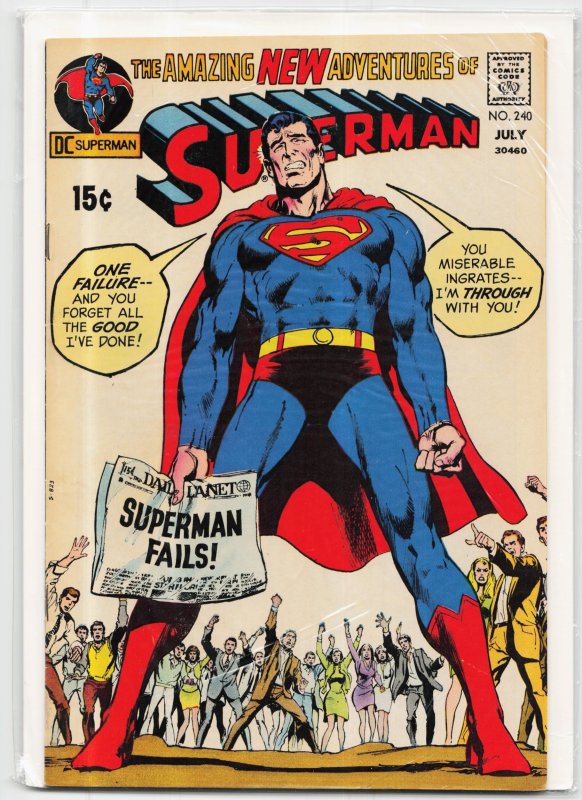
Superman
#240 · 1971
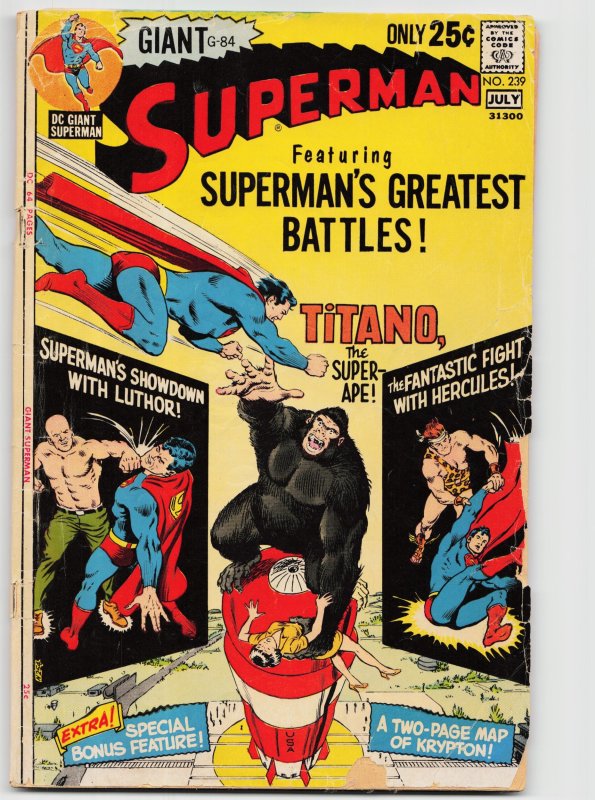
Superman
#239 · 1971
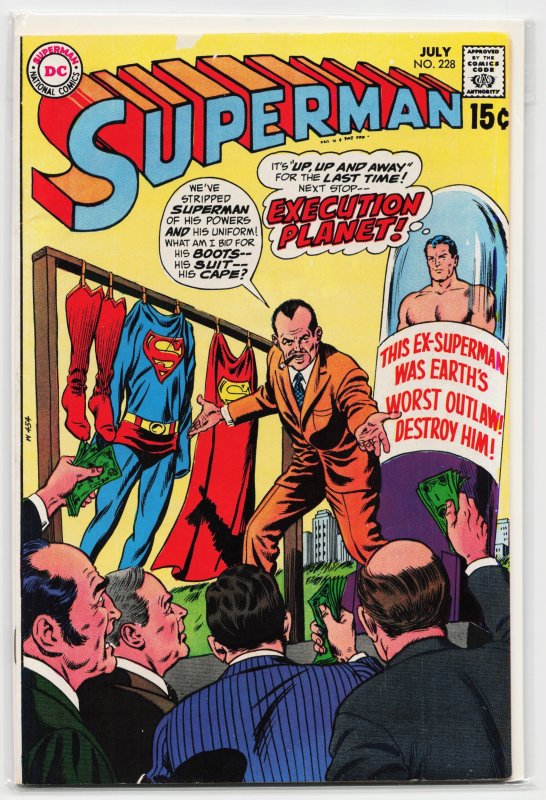
Superman
#228 · 1970
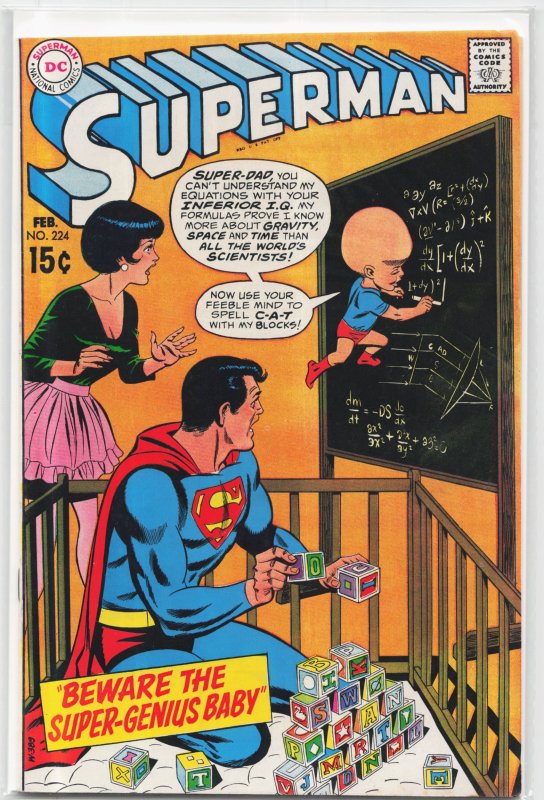
Superman
#224 · 1970
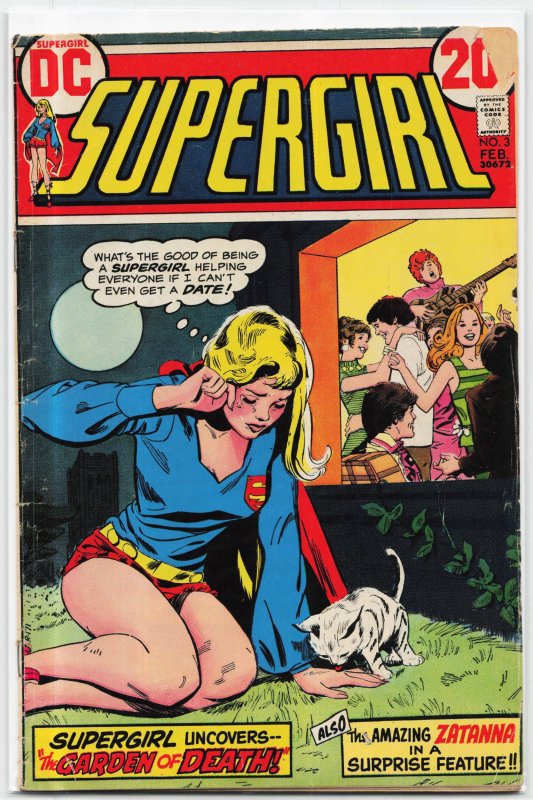
Supergirl
#3 · 1973
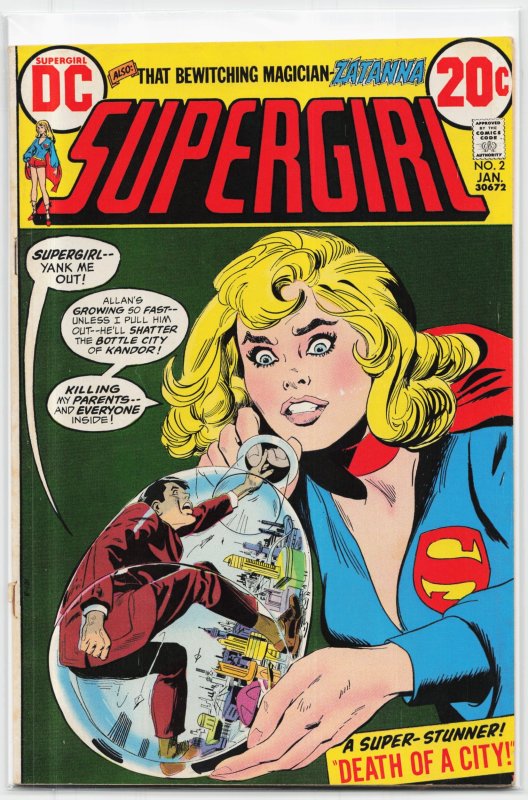
Supergirl
#2 · 1973
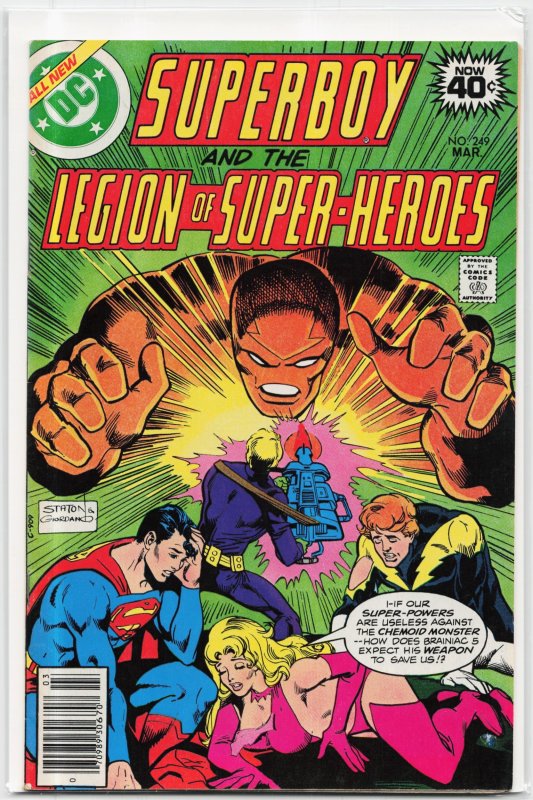
Superboy and the Legion of Super-Heroes
#249 · 1979
DC Comics · Bronze Age
Raw · Not graded
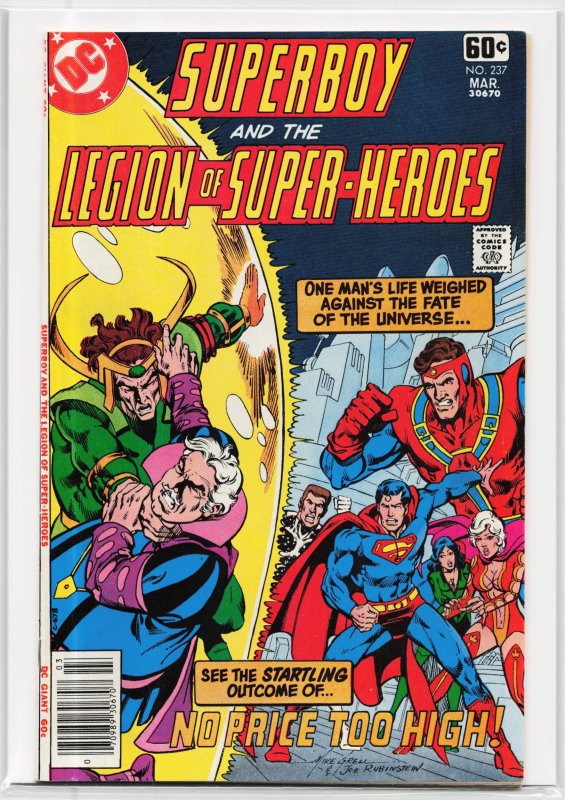
Superboy and the Legion of Super-Heroes
#237 · 1978
DC Comics · Bronze Age
Raw · Not graded
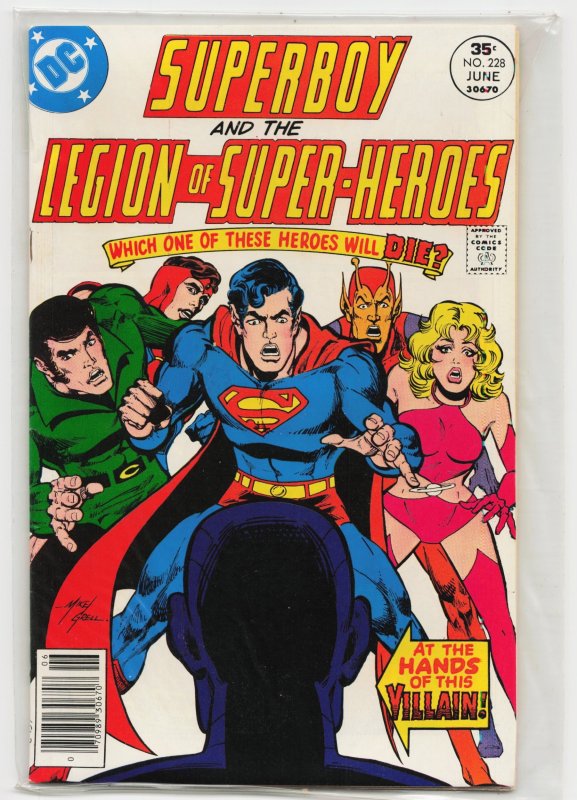
Superboy
#228 · 1977
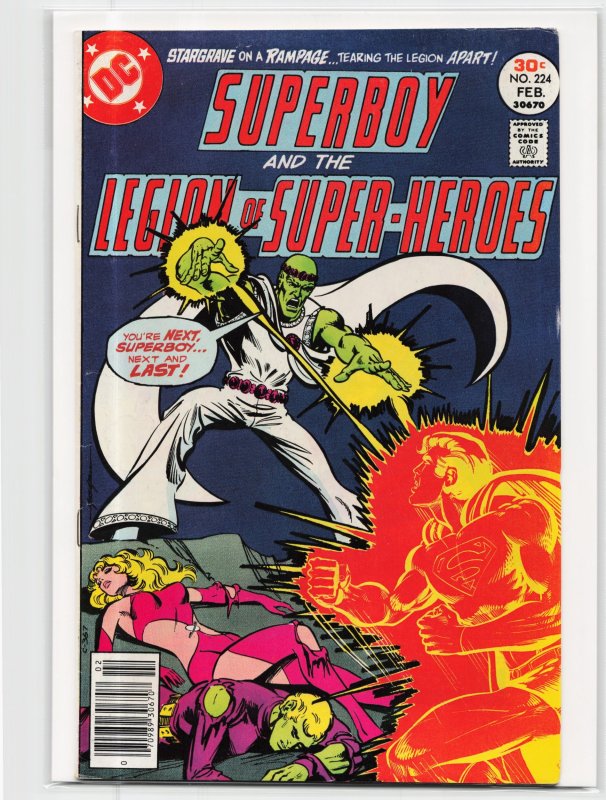
Superboy
#224 · 1977
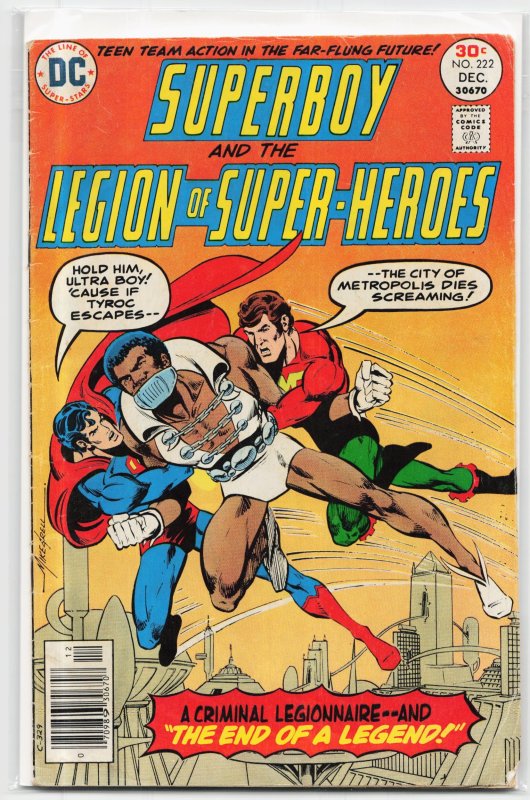
Superboy
#222 · 1976
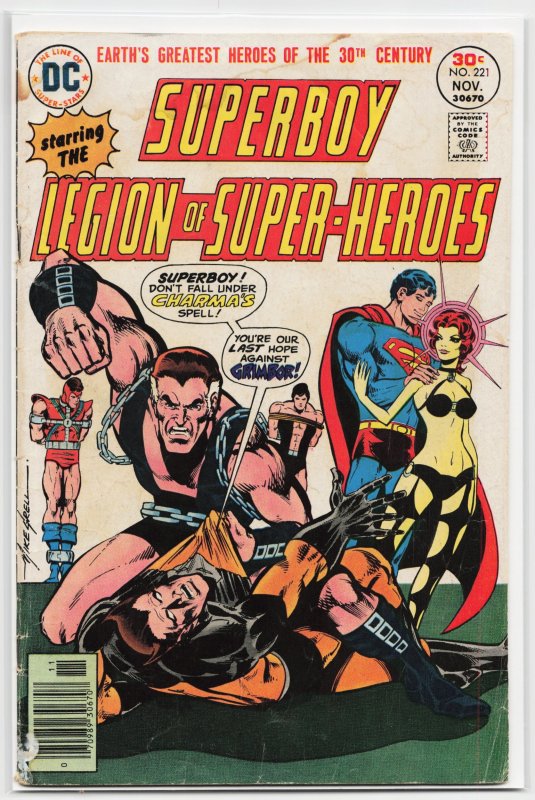
Superboy
#221 · 1976
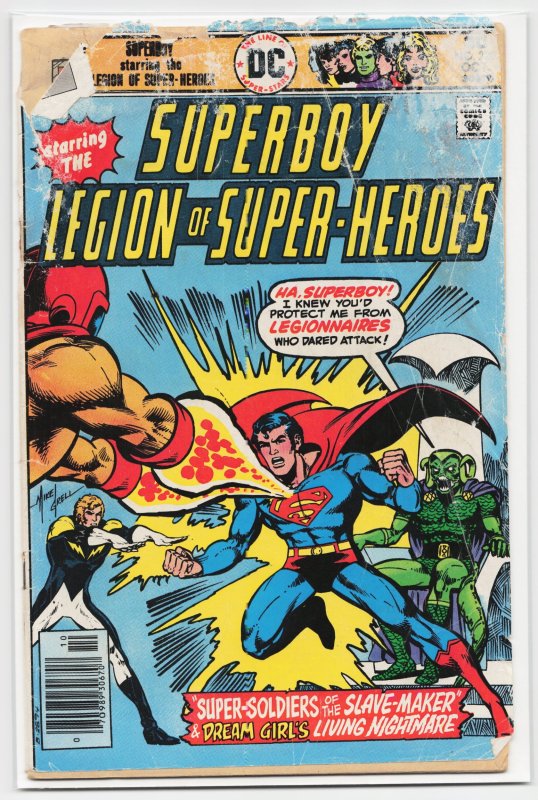
Superboy
#220 · 1976
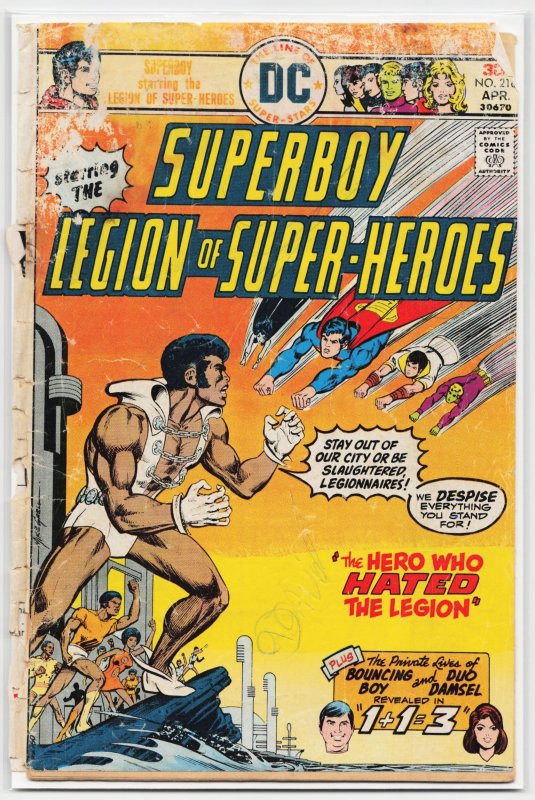
Superboy
#216 · 1976
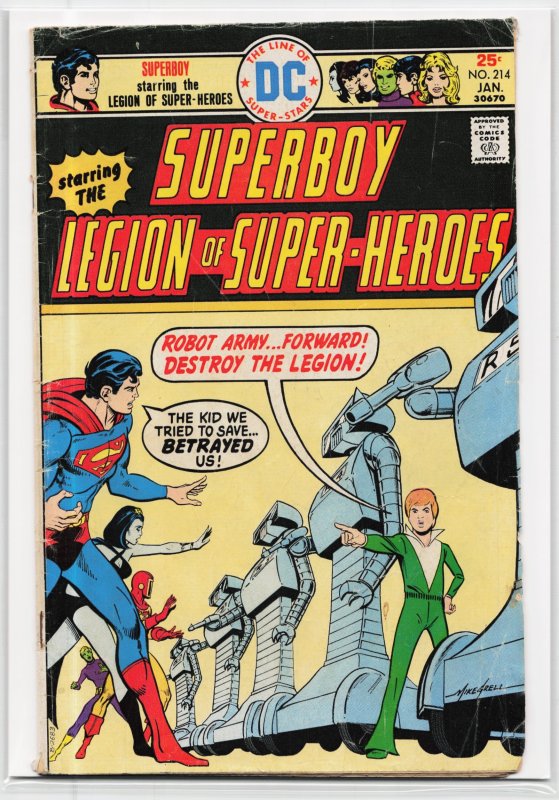
Superboy
#214 · 1976
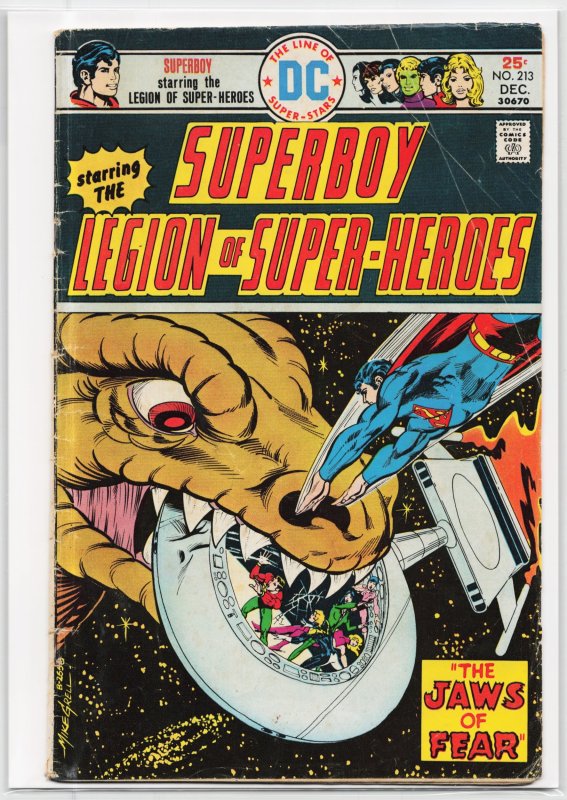
Superboy
#213 · 1975
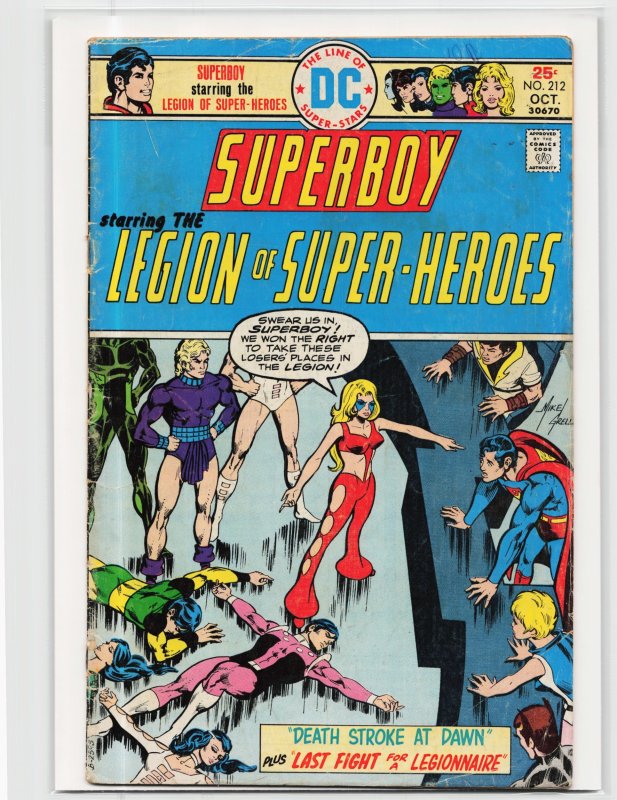
Superboy
#212 · 1975
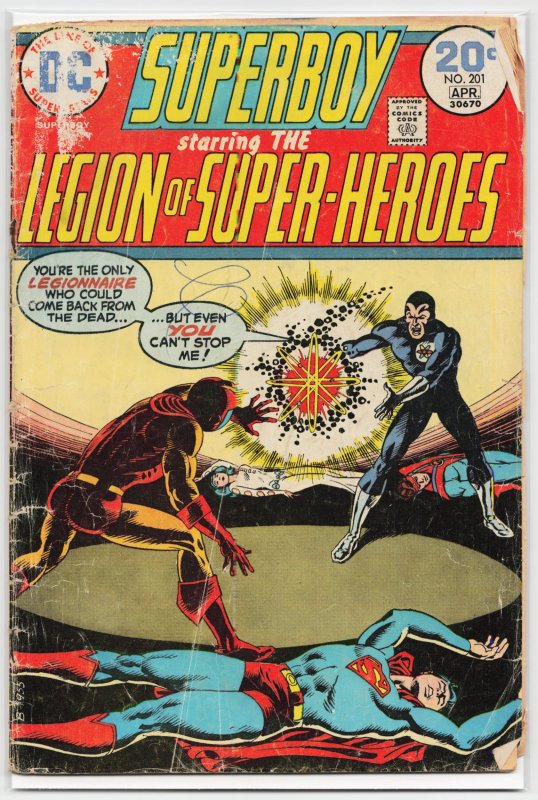
Superboy
#201 · 1974
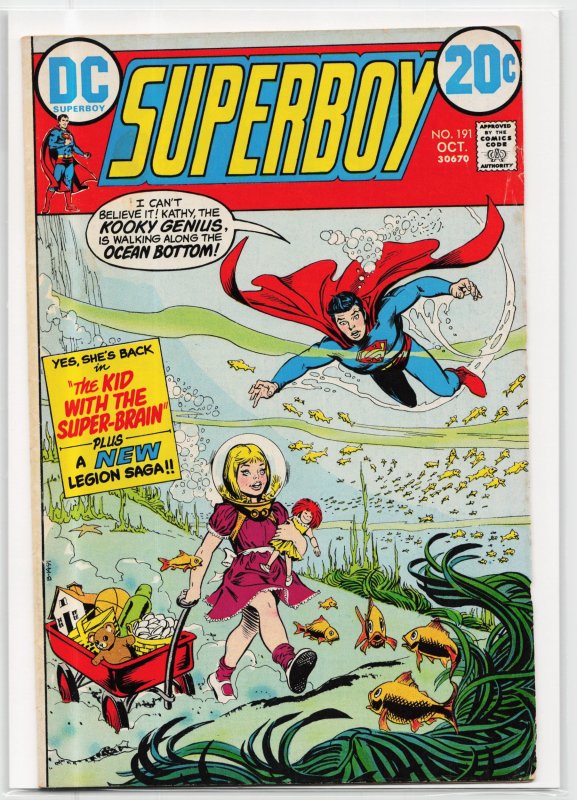
Superboy
#191 · 1972
Showing 3,553–3,600 of 5,895 listings. Want to filter by grade, grader or price? Use the full store browser.
Key issues
The first X-Men comic is The X-Men #1, cover-dated September 1963, from Marvel Comics by Stan Lee and Jack Kirby. The books collectors chase most are that issue, Giant-Size X-Men #1 (1975), X-Men #94, #101 and #129, and on all of them the CGC or CBCS grade is the largest driver of price.
Updated Oct 11, 2026
Key issues
The key Ghost Rider comic is Marvel Spotlight #5 (August 1972), the first appearance of Johnny Blaze as Ghost Rider. Ghost Rider #1 (September 1973) followed it, and for either book the third-party grade is one of the biggest factors in what a copy sells for.
Updated Oct 11, 2026
Collecting
Collectors divide American comics into eras: the Golden Age (1938 to the mid-1950s), the Silver Age (1956 to about 1970), the Bronze Age (about 1970 to 1985), the Copper Age (about 1985 to 1991) and the Modern Age (1991 to today). The boundaries are conventions rather than official dates, but each era has its own print runs, survival rates, paper and pricing, which is why listings and price guides always state one.
Updated Oct 11, 2026
Collecting
Marvel Value Stamps were a promotion printed inside most Marvel comics from 1974 to 1976: a numbered stamp of a character on an interior page that readers were encouraged to cut out and paste into a stamp book. Because readers did exactly that, many Bronze Age Marvels from those years are missing a piece of a page. A cut stamp drops the grade sharply or earns a green qualified label, so "Marvel Value Stamp intact" is a meaningful phrase in a listing.
Updated Oct 11, 2026
The Bronze Age brought relevance and grit to the newsstand — drug stories, horror's return under a loosened Comics Code, and a wave of first appearances that now drive the market: Incredible Hulk #181, Giant-Size X-Men #1, Amazing Spider-Man #129 and Werewolf by Night #32 among them.
Print runs were still large, so high grade is achievable but 9.6 and 9.8 copies carry a real premium over 9.0s. Many Bronze Age books were also stored carefully by the first generation of collectors, which is why pressing can add a grade point and why we pre-screen raw candidates before recommending a submission.
Every book ships double-boxed, signature-required and insured to full value, and you have 14 days from delivery to inspect it. Undisclosed restoration is refundable with no time limit under our authenticity guarantee. Have Bronze Age books of your own to grade or sell? Start a grading submission or request an appraisal.