X-Men Comic Books: The Key Issues and What Grade Does to Them
Published Oct 10, 2026 · Updated Oct 11, 2026 · 3 min read
Short answerThe first X-Men comic is The X-Men #1, cover-dated September 1963, from Marvel Comics by Stan Lee and Jack Kirby. The books collectors chase most are that issue, Giant-Size X-Men #1 (1975), X-Men #94, #101 and #129, and on all of them the CGC or CBCS grade is the largest driver of price.
The first X-Men comic
The X-Men comic books begin with The X-Men #1, cover-dated September 1963. Marvel published it, and Stan Lee and Jack Kirby created it. The issue introduces Professor X and the original five students (Cyclops, Marvel Girl, Beast, Angel and Iceman) along with Magneto, who makes his first appearance as their first enemy. It carries the same cover date as Avengers #1, so the two books came out in the same month. The full breakdown is in the guide to the first appearance of the X-Men.
That one issue is both the first appearance of the team and of its most important villain, which is why it sits at the top of any list of X-Men key issues.
The key issues, in publication order
| Issue | Cover date | Why collectors want it |
|---|---|---|
| The X-Men #1 | September 1963 | First X-Men, first Magneto |
| The Incredible Hulk #181 | November 1974 | First full appearance of Wolverine |
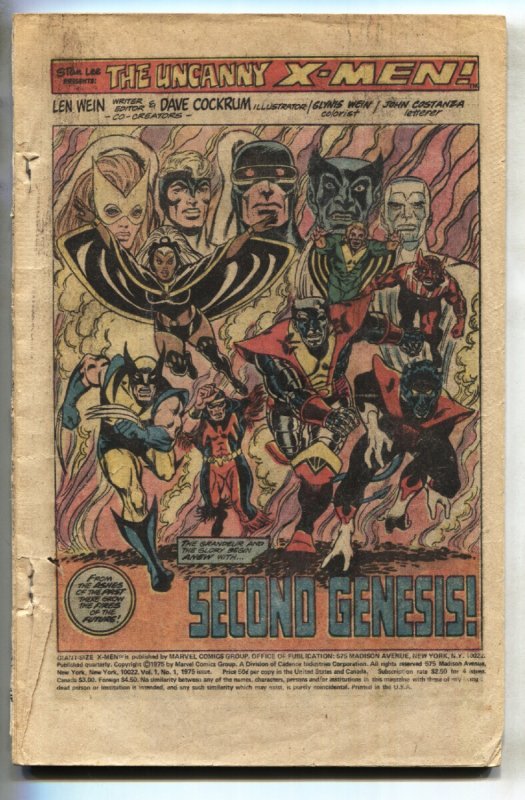
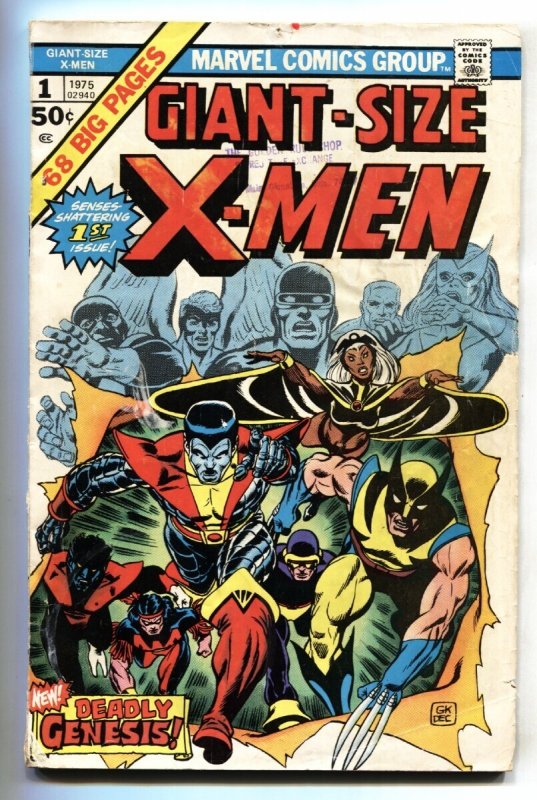
| Giant-Size X-Men #1 | May 1975 | First Storm, Nightcrawler, Colossus, Thunderbird |
| X-Men #94 | August 1975 | First regular issue of the new team; Claremont's first issue as writer |
| X-Men #101 | October 1976 | First Phoenix |
| X-Men #129 | January 1980 | First Kitty Pryde, Emma Frost and Sebastian Shaw |
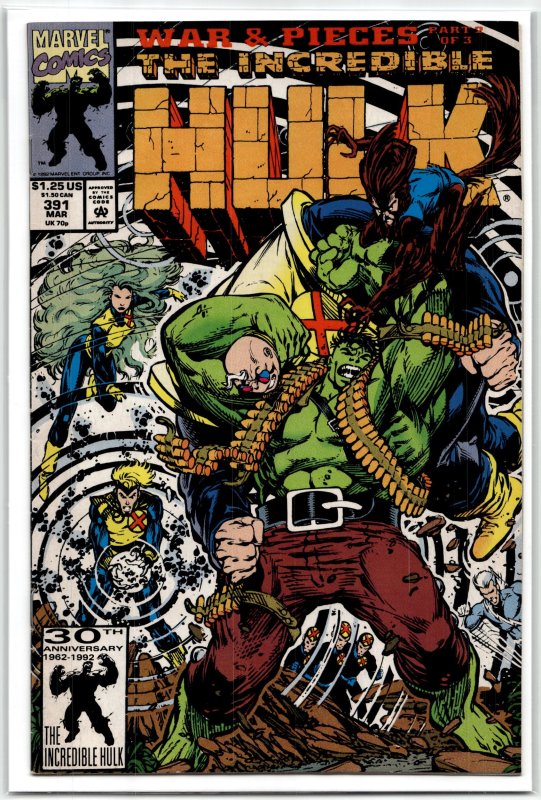
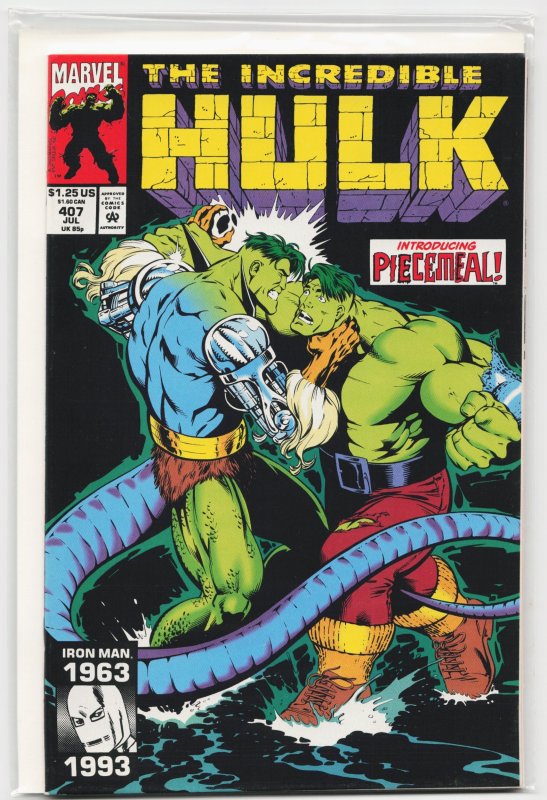
Two of these need context. Wolverine did not debut in an X-Men book. Len Wein and Herb Trimpe introduced him in Incredible Hulk #181, after a one-panel cameo on the last page of #180, and he joined the team months later. His own first appearance guide covers that.
The 1975 relaunch is split across two books. Giant-Size #1, by Wein and Dave Cockrum, brought in the new team. X-Men #94 resumed the regular series and began Chris Claremont's sixteen-year run as writer. Giant-Size X-Men #1 vs X-Men #94 explains why collectors treat the first as the first-appearance key and the second as the first-issue key. Storm's debut is covered in her own guide.
Issue #101 is where Jean Grey becomes Phoenix, and #129 opens the Dark Phoenix Saga (#129–137). Details are in the guides to Phoenix and Kitty Pryde.
What CGC and CBCS look for on these books
Both companies grade on a 0.5 to 10.0 scale and seal the book in a tamper-evident holder. The things that move a grade on X-Men books are the same things that move it elsewhere, but they show up in particular ways:
- 1963 issues: Silver Age newsprint ages unevenly. Spine stress, corner wear, tanning of the pages and any restoration decide where a copy lands, and restoration is disclosed on the label and changes the demand for the book.
- 1975–1980 issues: These are far more available in high grade, so small flaws matter more. Color-breaking spine ticks, corner blunting and cover gloss loss are what separate a 9.2 from a 9.8.
- Cover and centrefold attachment: Check that staples are tight and the cover is fully attached. Detached or loose covers cap a grade quickly.
For the details of the scale and label types, use the site's collector guides rather than guessing from the number alone.
How the grade changes the price
On every book above, price climbs with grade, and the steps are not even. A one-point gain in the middle of the scale usually changes the price modestly, while moving into the top few grades can change it dramatically, especially on books where very few high-grade copies exist. Which books fit that pattern, and by how much, shifts with the market, so check recent sold prices from auction houses and marketplaces for the exact grade and label type before buying or selling.
Seeing real examples side by side helps. The store lists an X-Men #1 in CGC 4.5 and an X-Men #1 in CGC 9.0. Later keys include X-Men #94 in CGC 9.2, a second X-Men #94 in CGC 9.2 with off-white pages, and X-Men #129 in CGC 9.8. An X-Men #9 in CGC 4.0 is also available. Browse everything else under graded comics for sale or the X-Men character page.
Found X-Men books and not sure what you have?
Check the cover date and issue number against the table first, then look at the spine, corners and cover attachment. If the books look like they may be worth grading, a collection appraisal can sort which are worth submitting and which are better left raw.
Frequently asked
- When was the first X-Men comic released?
- The X-Men #1 carries a cover date of September 1963. It was published by Marvel Comics and created by Stan Lee and Jack Kirby, and it shares its cover date with Avengers #1.
- Who appears in The X-Men #1?
- Professor X and the original five: Cyclops, Marvel Girl (Jean Grey), Beast, Angel and Iceman. It is also the first appearance of their first enemy, Magneto.
- Is Giant-Size X-Men #1 or X-Men #94 the key issue?
- Both are keys. Giant-Size X-Men #1 (May 1975) has the first appearances of Storm, Nightcrawler, Colossus and Thunderbird and is the more valuable book. X-Men #94 (August 1975) is the first regular issue of the new team and Chris Claremont's first as writer.
- Is Wolverine's first appearance in an X-Men comic?
- No. Wolverine's first full appearance is The Incredible Hulk #181 (November 1974). He joined the X-Men in Giant-Size X-Men #1 (May 1975).
Drafted with AI assistance from the facts and keywords the Rare Comics Collectors team maintains, then put through an automated fact check and our editorial rules. Spotted an error or have a question this guide does not answer? Tell us.