Watchmen Comic Key Issues and What Graders Check on Each
Published Oct 10, 2026 · Updated Oct 11, 2026 · 2 min read
Short answerWatchmen is a 12-issue DC Comics limited series by Alan Moore and Dave Gibbons, and collectors generally look for #1 and the later issues in high grade. CGC and CBCS grade on a 0.5 to 10.0 scale, and the grade assigned is one of the main drivers of what a copy sells for.
What the series is
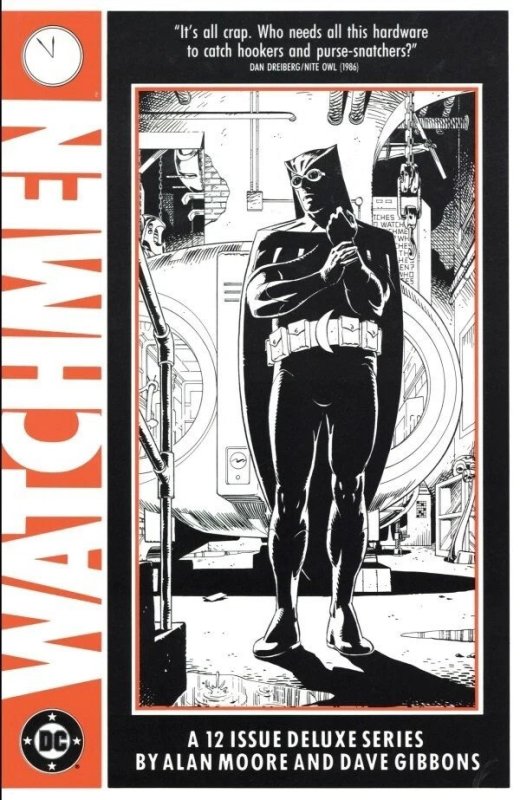
Watchmen ran for twelve issues from DC Comics, written by Alan Moore and drawn by Dave Gibbons. It is a complete story rather than an open-ended series, which shapes how people collect it: most buyers want either a full run or a single issue they care about, and the full set is only as strong as its weakest book.
Which issues collectors look for
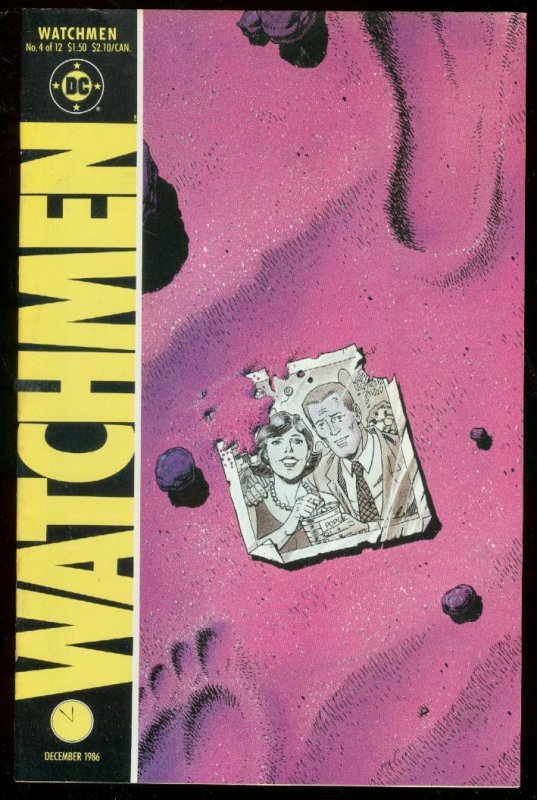
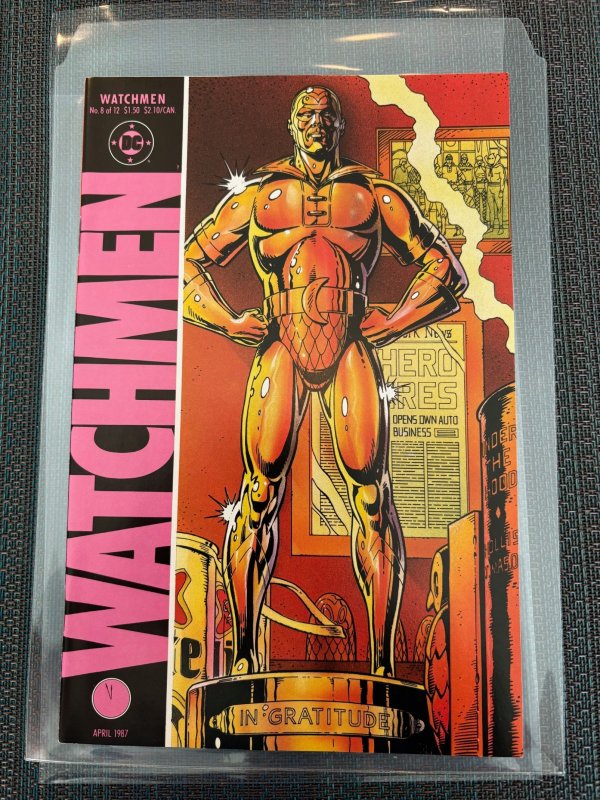
Issue #1 is the usual starting point for any collector, as the first appearance of the story and its cast, including Rorschach, Dr. Manhattan, Nite Owl, Ozymandias and The Comedian. Beyond that, demand is spread across the series rather than concentrated in a single scarce issue. Collectors who want a run of high-grade copies often look at the later issues as well, since a complete graded set depends on every book meeting the same standard.
Copies listed in the shop include Watchmen #5 CGC 9.8 and Watchmen #10 CGC 9.8. You can browse everything else under all graded comics for sale.
What CGC and CBCS look at on Watchmen
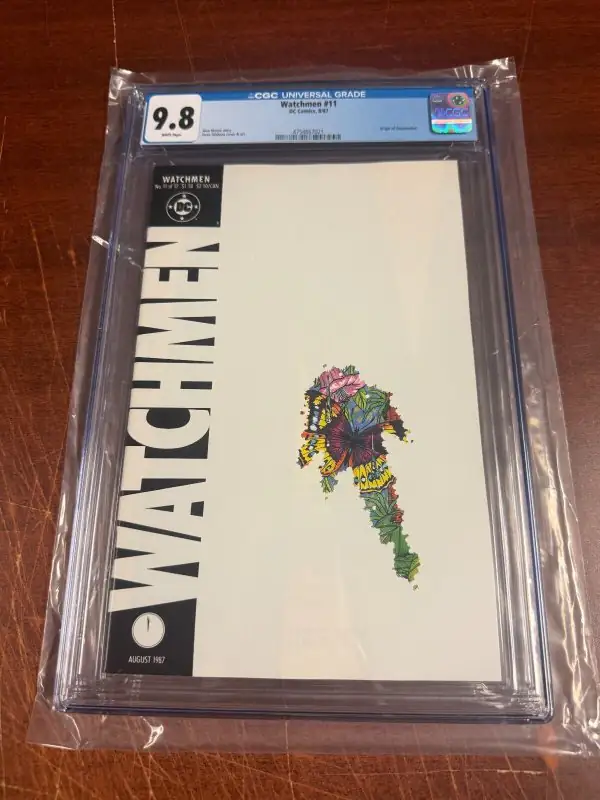
CGC (Certified Guaranty Company) and CBCS (Comic Book Certification Service) are third-party grading companies. Both grade on a 0.5 to 10.0 scale and seal the book in a tamper-evident holder. The scale itself is covered in the collector guides; what matters here is where a modern-age book like this tends to lose points.
- Spine. Spine stress and small color-breaking creases are among the most common reasons a book falls short of the top grades. A comic that has been read even once can pick them up.
- Corners and edges. Blunting, small dings and edge wear show up quickly on a dark or heavily colored cover.
- Cover surface. Scuffs, fingerprints, staining and loss of gloss are checked under strong light.
- Staples and pages. Rusting, loosened staples and page quality are inspected, and the interior pages are examined for tears or discoloration.
A book can look perfect at arm's length and still be pulled down by one visible spine tick, so the cover and the staple area are worth checking closely before submitting.
How grade changes the price
Grade is one of the main drivers of what a copy sells for, alongside the specific issue and current demand. In general, a higher grade commands a higher price, and the step between the top grades is often larger than the step between mid grades. Exact figures change, so check recent sold prices from auction houses and marketplaces for the same issue at the same grade rather than relying on a number quoted from memory. Because a 9.8 and a 9.4 of the same issue can sell for very different amounts, it is worth looking up comparable sales at each grade before deciding whether a book is worth submitting.
If you own copies you are unsure about
Work out whether a copy is likely to grade well before paying to submit it. The grading submission service handles CGC and CBCS submissions, and the appraisal and valuation service can assess a collection if you want an opinion on what is worth grading first.
Frequently asked
- How many issues are in the Watchmen comic series?
- Watchmen is a 12-issue limited series published by DC Comics, written by Alan Moore and drawn by Dave Gibbons.
- Is Watchmen worth getting graded by CGC or CBCS?
- Grading seals the book in a tamper-evident holder and gives buyers a standardized grade to rely on. Whether it pays off depends on the copy's condition and on the cost of grading, so compare recent sold prices for graded and ungraded copies of the same issue.
- What damages Watchmen comics in grading?
- Typical grade-lowering defects on a modern-age book include spine stress, corner and edge wear, creases, staining and loose or detached staples. The cover is the first thing a grader sees, so cover gloss and edge condition matter.
Drafted with AI assistance from the facts and keywords the Rare Comics Collectors team maintains, then put through an automated fact check and our editorial rules. Spotted an error or have a question this guide does not answer? Tell us.