1st Harley Quinn Comic: Batman Adventures #12 and What Grade Does
Published Oct 10, 2026 · Updated Oct 11, 2026 · 2 min read
Short answerHarley Quinn's first comic is The Batman Adventures #12, cover-dated September 1993 from DC Comics. It was printed in large numbers, so its price depends mostly on grade: 9.8 copies, newsstand copies and the scarcer second printing carry the premium.
The book
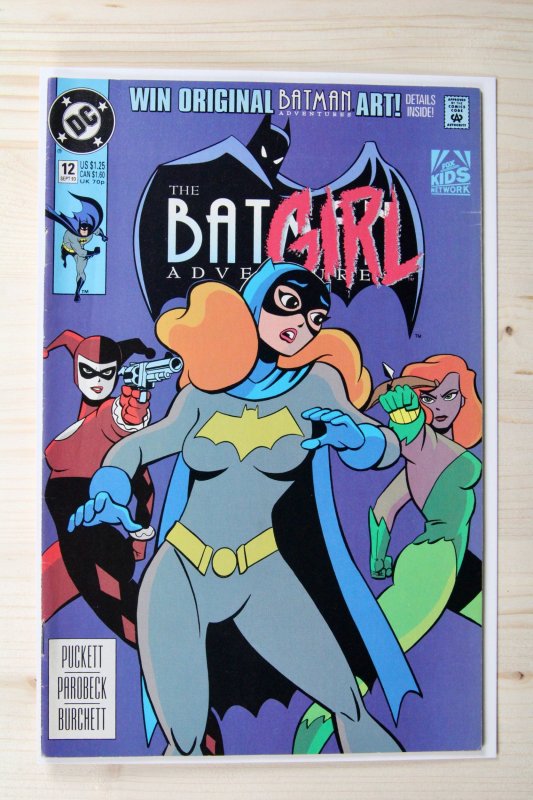
The Batman Adventures #12 is the first Harley Quinn comic. It carries a cover date of September 1993, and DC Comics published it as part of the series tied to Batman: The Animated Series. The story is by Kelley Puckett, with art by Mike Parobeck and Rick Burchett.
Harley was created by Paul Dini and Bruce Timm for the television episode "Joker's Favor", first broadcast in September 1992. That is why the comic is a first comic appearance and not her first appearance anywhere. The full story of the debut is in Batman Adventures #12 explained and What is the first appearance of Harley Quinn?.
Why the price depends on grade
The issue is a standard Modern Age key and the most valuable comic of the 1990s after New Mutants #98. But it was printed in large numbers. Raw and low-to-mid-grade copies are not scarce, so the premium gathers in three places:
- 9.8 copies. A near-perfect copy is the grade the market pays most for on a high-print-run book.
- Newsstand copies. These were sold through newsstands and carry a different cover marking from direct-market copies. Newsstand copies are scarcer in high grade.
- The second printing. It is scarcer than the first printing, and it is a separate book to a buyer. Check which printing a copy is before comparing prices.
What CGC and CBCS look at
CGC and CBCS are third-party grading companies. Both grade on a 0.5 to 10.0 scale and seal the book in a tamper-evident holder. A 9.8 on this issue is tough to earn, so details matter when you look at a raw copy:
- Spine. Stress lines, color-breaking creases and tiny ticks on the spine are the most common reasons a copy misses 9.8.
- Corners and edges. Blunting, bumps and chipping along the edges, especially on the cover's dark areas.
- Cover surface. Gloss, scuffing and print blemishes. Light fingerprints and wear show on glossy 1990s covers.
- Staples and pages. Rust, tears at the staples and page quality all feed into the grade.
A copy that looks clean at a glance can still come back as a 9.4 or 9.6. If a copy has defects, pressing may help before submission, but results are never guaranteed. See CGC & CBCS grading submission if you want a raw copy graded, or collection appraisal and valuation if you have several books and want an opinion first.
How to check a price
No single figure applies to the issue, because grade, printing, newsstand versus direct edition and label type each move it. Look at recent sold prices from auction houses and marketplaces for the same grade, the same printing and the same edition. Asking prices are not sales.
Other Harley Quinn books
Several later issues are also collected, including Harley Quinn #0, #1, #28 and #75. Copies currently listed:
- Harley Quinn #1 CGC 9.8
- Harley Quinn #1 CGC 9.6
- Harley Quinn #1 CGC 9.6 (second listing)
- Harley Quinn #0 CGC 9.8
- Harley Quinn #28 CGC 9.8
- Harley Quinn #75 CGC 9.8
Browse the full Harley Quinn page, all graded comics for sale or the collector guides.
Frequently asked
- What is the first Harley Quinn comic?
- The Batman Adventures #12, cover-dated September 1993 and published by DC Comics. It is a tie-in to Batman: The Animated Series.
- What is the Harley Quinn release date in comics versus TV?
- She debuted on television in the Batman: The Animated Series episode 'Joker's Favor' in September 1992. Her first comic appearance, in The Batman Adventures #12, is cover-dated September 1993, a year later.
- Why does a 9.8 matter so much for Batman Adventures #12?
- The issue was printed in large numbers, so mid-grade copies are plentiful. The value sits almost entirely in 9.8 copies, newsstand copies and the scarcer second printing.
- Who created Harley Quinn?
- Paul Dini and Bruce Timm created her for the television episode 'Joker's Favor'. The comic issue itself was by Kelley Puckett, Mike Parobeck and Rick Burchett.
Drafted with AI assistance from the facts and keywords the Rare Comics Collectors team maintains, then put through an automated fact check and our editorial rules. Spotted an error or have a question this guide does not answer? Tell us.