Dark Horse Comics: Founding, Landmark Titles and What Collectors Seek
Published Oct 10, 2026 · Updated Oct 11, 2026 · 7 min read
Short answerDark Horse Comics is an American independent publisher founded in 1986 in Oregon by Mike Richardson. It is known for creator-owned work such as Hellboy, Sin City and Concrete, and for licensed Star Wars, Aliens and Predator comics, which is where most collector interest sits.
What Dark Horse Comics Is
Dark Horse Comics is an American publisher founded in 1986 by Mike Richardson in Oregon. It grew up in the independent market that opened up in the 1980s, and it built its identity on two things: creator-owned series, where the writer and artist keep control of their characters, and licensed comics based on film and television properties.
For a collector, that split matters. Dark Horse books fall into two broad groups with different kinds of demand:
- Creator-owned and original work, such as Hellboy, Sin City and Concrete, where interest centres on first appearances and early issues.
- Licensed work, such as Star Wars, Aliens and Predator, where interest follows the strength of the underlying franchise and the creative teams involved.
The company's comics are listed on the Dark Horse Comics publisher page.
How Dark Horse Began
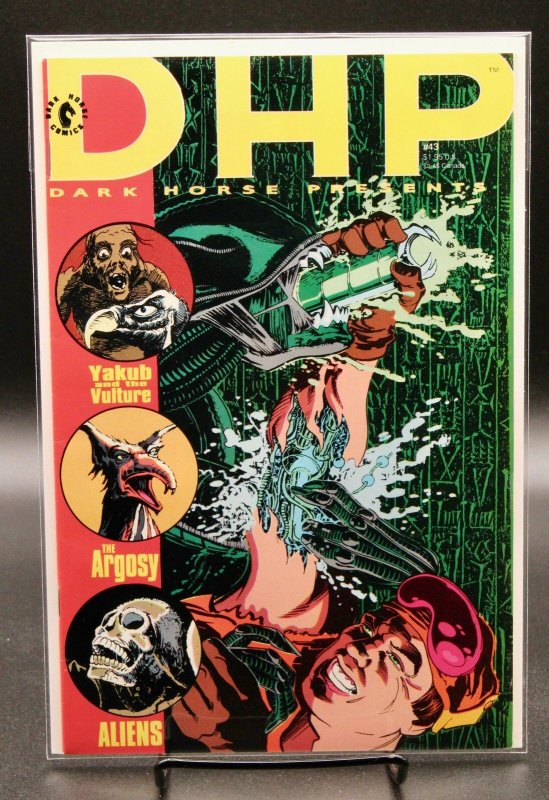
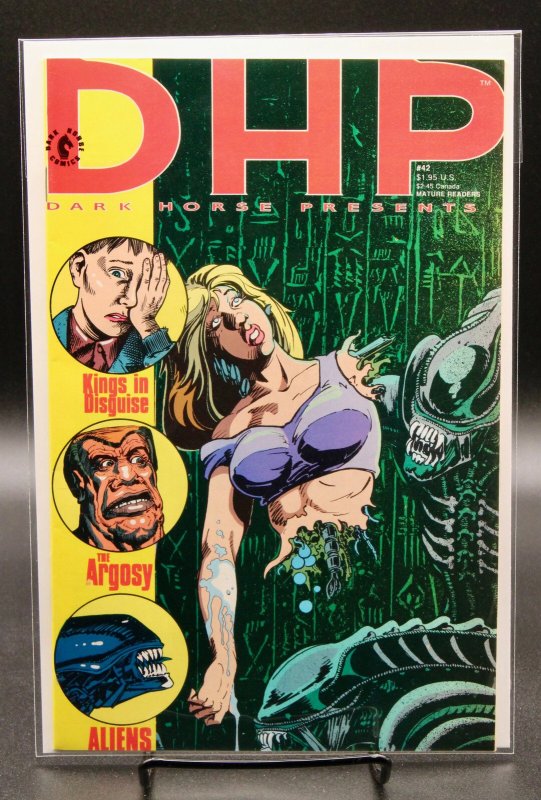
The company began as a small publisher in Oregon and put out its first anthology, Dark Horse Presents, in 1986. Anthologies were a natural way for a new publisher to work: a single title could carry several short stories by different creators, letting the company test material and find talent without committing a full series to every idea.
Dark Horse Presents became the entry point for a number of characters who later moved into their own books. That pattern, a short story in an anthology followed by a stand-alone series, is one of the most useful things to understand when collecting the publisher. The first appearance of a well-known character is often a few pages inside an anthology issue rather than on its cover.
The Anthology Pipeline and Why It Matters
Many of the books collectors look for from the late 1980s and early 1990s are not the number-one issue of a famous series. They are anthology or showcase issues where a character first showed up.
When you are researching a Dark Horse book, ask three questions:
- Is this the character's first appearance, or a later one?
- Was the story a short feature inside a larger issue, or the main attraction?
- Was the issue part of an anthology, a mini-series or an ongoing title?
The answers affect how a book is catalogued, how it is searched for and how much attention it draws. A first appearance buried in the back of an anthology can be easy to overlook, which is also why checking the issue details before assuming a book is common is worthwhile.
The Creator-Owned Titles Collectors Look For
Hellboy
Hellboy, created by Mike Mignola, is the character most associated with the publisher. The character appeared in the early 1990s and became the centre of a long-running line of related series. Collectors tend to focus on his earliest appearances and the first issues of the early mini-series, and on how well the copies have been preserved.
Sin City
Frank Miller's black-and-white crime series, with its stark art and hard-boiled tone, is another cornerstone of the catalogue. It was serialised in Dark Horse Presents before moving into its own books, which is the anthology pipeline described above. Early appearances and the first issues of the stand-alone stories are the ones that draw most attention. Because the books are printed in black and white, condition problems such as spine wear and corner damage are easy to see, so grade matters.
Concrete
Paul Chadwick's Concrete debuted in Dark Horse Presents. It is a quieter, character-driven series and has a loyal following among collectors who value early independent comics. It is a good example of a title where the first appearance sits in an anthology issue.
Usagi Yojimbo and The Mask
Stan Sakai's Usagi Yojimbo later found a home at the publisher and has remained a long-running series. The Mask is another Dark Horse property that reached a wider audience through other media. In both cases, the usual collecting logic applies: look for the earliest appearances at Dark Horse and weigh condition carefully.
The Licensed Line: Star Wars, Aliens and Predator
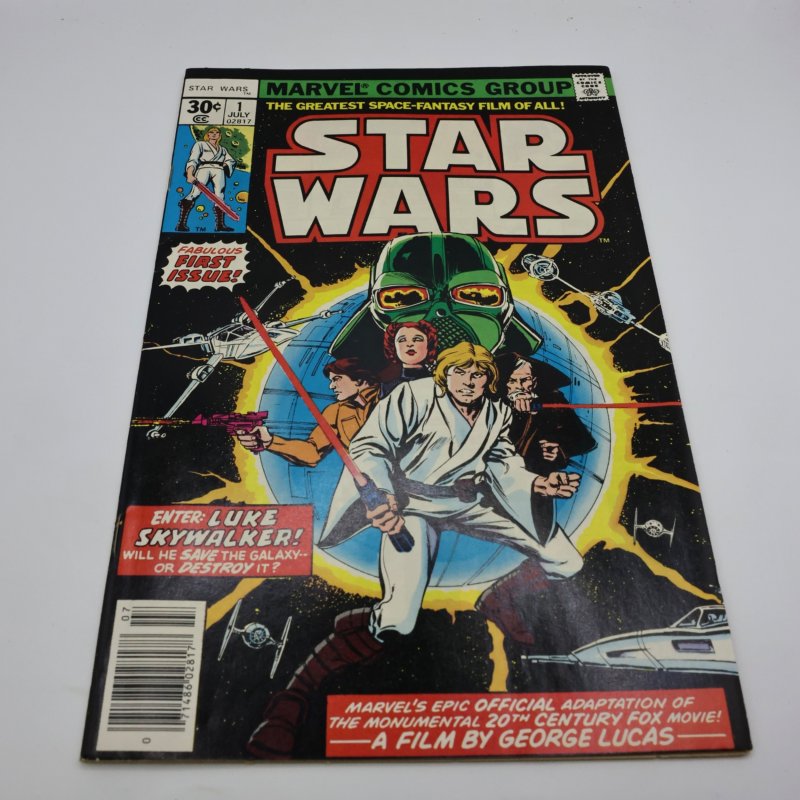
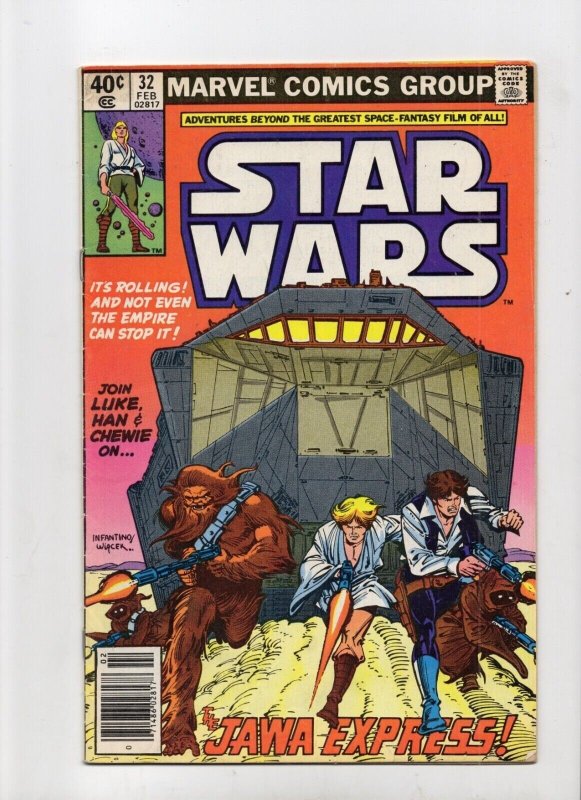
Dark Horse became a major home for licensed comics. Its Star Wars comics, along with Aliens and Predator, brought it a large readership beyond the traditional comic-shop base. The Aliens and Predator books also produced crossover stories between the two properties.
For collectors, licensed books behave differently from creator-owned ones:
- Demand is tied to the franchise, so interest can rise and fall with film and television releases. That is a reason to check recent sold prices rather than rely on old figures.
- First issues of a licensed series are the usual starting point, but they were printed for a mass audience, so high-grade copies need to be genuinely clean to stand out.
- Variant covers and special editions, where they exist for a given issue, can be treated as separate items. Confirm exactly which edition you are holding before comparing it with anything else.
Dark Horse Comics #7 and the Publisher's Namesake Title
The publisher also issued a series titled simply Dark Horse Comics. When looking at any issue of that title, the first job is to confirm the issue number and the cover, because the publisher's name appears on so many different books that it is easy to mix up the anthology, the namesake series and other titles.
How to Judge Condition on a Dark Horse Book
Condition standards for Dark Horse books are the same as for any other comic: spine stress, corner wear, colour breaks, creases, page quality and staining all count. A few points are particular to this publisher's output:
- Black-and-white books show wear clearly. On Sin City and similar titles there is no colour to hide a crease or a scuffed edge.
- Late-1980s and 1990s paper varies. Check for yellowing or brittleness at the edges, particularly on anthology issues.
- Prestige-format and trade-sized books have their own handling issues, such as spine roll and cover creasing, so inspect them differently from a standard floppy.
- Inserts and extras. Some issues shipped with cards, posters or other inclusions. If an issue should have one, check that it is present.
If you plan to sell, a clean, well-preserved copy of an early key issue is the kind of book worth thinking about for third-party grading. CGC and CBCS both grade on a 0.5 to 10.0 scale and seal the book in a tamper-evident holder. If you are considering that route for a Dark Horse issue, the CGC & CBCS grading submission service handles the process, and the collector guides explain how grades and labels work in detail.
What Drives Value for Dark Horse Comics
No single price applies across the catalogue. The factors that move value are the same ones that apply elsewhere in the hobby, applied to this publisher:
- Which issue it is. First appearances and early issues of landmark series attract the most interest.
- Grade. A clean copy of a scarce or sought-after issue is in a different position from a worn copy of the same book.
- Scarcity. Some Dark Horse books were printed in large numbers; others, especially early anthology issues and limited editions, were not. Do not assume rarity from the publisher's name alone.
- Demand. Film, television and gaming adaptations can raise attention on a property.
- Edition. Printings, variants and special editions can differ from the standard issue.
To get a reliable sense of value, check recent sold prices for the exact issue and a comparable grade on auction sites and marketplaces. Asking prices are not sales, so look at completed sales where you can. If you have a collection and want a professional opinion, the appraisal and valuation service can assess it.
Starting a Dark Horse Collection
A focused approach works better than buying at random:
- Pick a lane. Choose one character, creator or franchise, such as Hellboy, Sin City or the Aliens line.
- Learn the first appearances. Identify where each character debuted, including anthology issues.
- Buy the best copy you can afford. For books you intend to keep, condition is what separates a good purchase from a disappointing one.
- Confirm the edition. Check issue number, printing and cover before you pay.
- Store books properly. Bags, boards and a cool, dry place slow down the wear that lowers grades.
Browse the current selection in the graded comics store, or look at the Dark Horse Comics listings to see what is available now.
Summary of Key Facts
| Item | Detail |
|---|---|
| Founded | 1986, Oregon |
| Founder | Mike Richardson |
| First anthology | Dark Horse Presents (1986) |
| Creator-owned highlights | Hellboy, Sin City, Concrete, Usagi Yojimbo |
| Licensed highlights | Star Wars, Aliens, Predator |
| Where first appearances often sit | Anthology issues such as Dark Horse Presents |
Dark Horse is a publisher where careful research pays off. The valuable books are often not the obvious ones, and knowing where a character first appeared is usually the quickest way to find them.
Frequently asked
- When was Dark Horse Comics founded?
- Dark Horse Comics was founded in 1986 by Mike Richardson in Oregon. Its first anthology, Dark Horse Presents, launched that year.
- What is Dark Horse Comics best known for?
- It is best known for creator-owned series such as Hellboy, Sin City and Concrete, and for licensed comics based on Star Wars, Aliens and Predator.
- Are Dark Horse comics worth collecting?
- Some are. Demand tends to concentrate on first appearances, early issues of landmark series and key licensed crossovers in high grade. Check recent sold prices for the specific issue, since values vary widely from book to book.
- Is it worth grading a Dark Horse comic?
- It can be for key early issues in strong condition. Grading costs money, so it makes most sense when the book is scarce or in demand and the copy is clean. An appraisal can help you decide.
Drafted with AI assistance from the facts and keywords the Rare Comics Collectors team maintains, then put through an automated fact check and our editorial rules. Spotted an error or have a question this guide does not answer? Tell us.